2026 Top Trends in WPC Wood Wall Panels What You Need to Know?
As the demand for sustainable building materials grows, the spotlight on WPC wood wall panels intensifies. According to a report by MarketsandMarkets, the global WPC market is expected to reach $5.1 billion by 2026. This surge is driven by an increasing preference for eco-friendly products and innovative designs. WPC wood wall panels offer a unique blend of beauty and durability. They mimic the aesthetic of traditional wood while providing superior performance characteristics.
Industry experts note that WPC wood wall panels have a shorter lifecycle than traditional materials. They may require periodic maintenance to retain their appearance and integrity. Nevertheless, they present a compelling choice for modern construction. The rising trend towards modular and prefabricated building approaches also benefits WPC products. This efficiency not only reduces waste but also accelerates project timelines.
While the benefits are clear, some challenges loom. For instance, the market is facing competition from alternative materials. The durability of WPC wood wall panels sometimes raises questions. Understanding these dynamics is essential for making informed decisions in a rapidly evolving landscape. Embracing WPC wood wall panels means not just adopting a trend, but considering how it fits into broader sustainability goals.
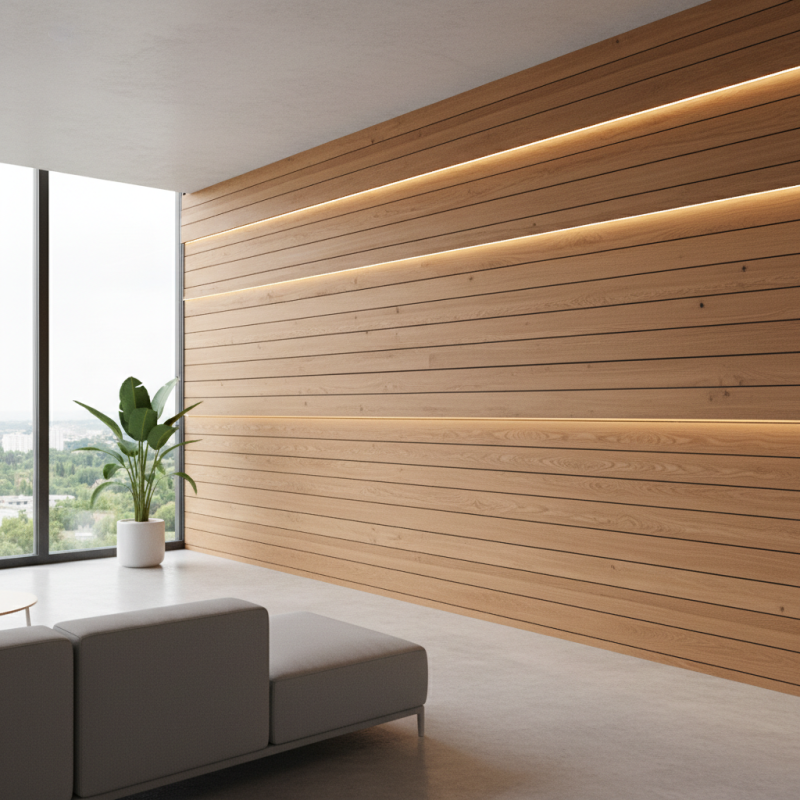
Top Innovations in WPC Wood Wall Panel Technology for 2026
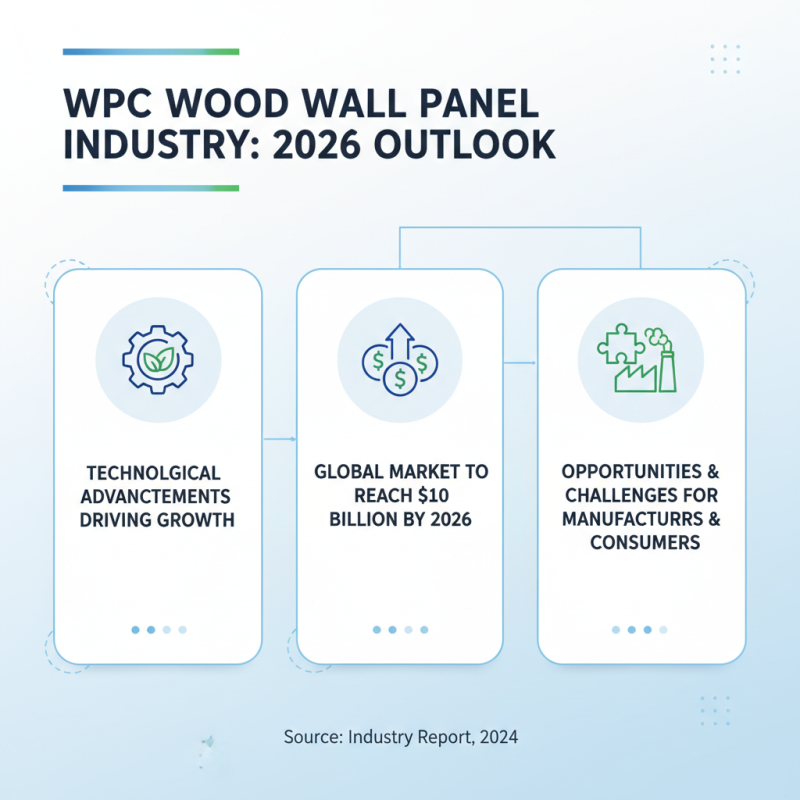
As we approach 2026, the WPC (Wood-Plastic Composite) wood wall panel industry is seeing significant innovations. A recent report shows that the global WPC market is expected to reach $10 billion by 2026, driven by rapid technological advancements. This growth presents exciting opportunities and challenges for manufacturers and consumers alike.
One key innovation is the integration of sustainable materials. Eco-friendly production methods are becoming popular. Many brands are now focusing on recycling plastics into new panels. This not only reduces waste but also appeals to environmentally conscious consumers. However, some challenges remain in balancing costs and sustainable practices.
Another trend is the improvement of surface technology. New treatments enhance durability and aesthetics. This allows for various designs in residential and commercial spaces. Yet, some products still face issues with fading and wear over time. Consumers may need to investigate options thoroughly. Understanding these trends in WPC wood wall panels will be crucial for making informed decisions in the coming years.
Sustainability Trends Impacting WPC Wood Wall Panels in 2026
Sustainability is a growing trend in the design world, especially for WPC wood wall panels. These materials blend wood fiber with plastic, creating an attractive yet eco-friendly option. In 2026, consumers will prioritize sustainable choices in construction and design. They will look for products that minimize waste and support recycling efforts.
Recycled materials will play a significant role. Manufacturers must source responsibly to appeal to environmentally conscious buyers. Yet, challenges exist. Not all recycled options perform as well as new materials. Developers will need to strike a balance between cost and sustainability while ensuring quality. Transparency in sourcing and production will also be crucial.
Texture and aesthetics remain essential. Natural finishes that mimic traditional wood can attract buyers. However, the industry must not sacrifice durability for appearance. Innovations will be necessary to maintain both beauty and strength. As sustainability evolves, so must the approach to WPC wall panels.
Design Aesthetics: Popular Styles for WPC Wood Wall Panels in 2026
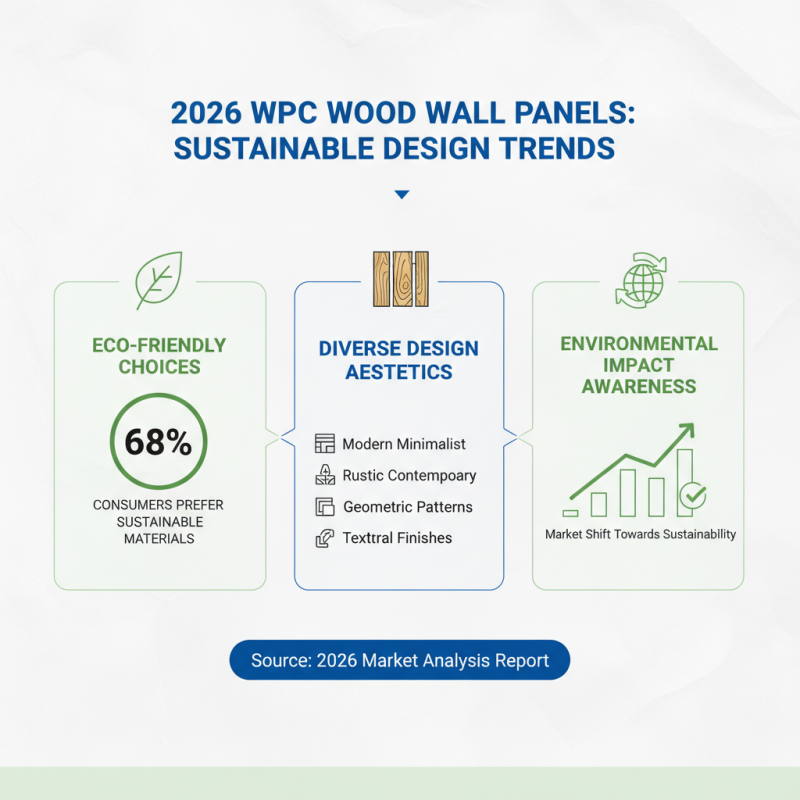
In 2026, WPC wood wall panels will showcase diverse design aesthetics. The market has shifted towards eco-friendly choices. According to a recent market analysis, nearly 68% of consumers prefer sustainable materials. This trend reflects an increasing awareness of environmental impact.
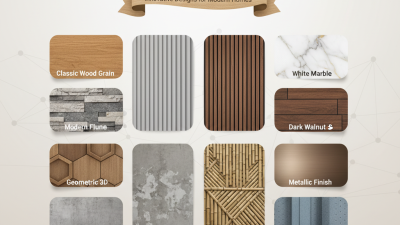
Texture will be important in WPC designs this year. Popular styles include rustic finishes and sleek modern appearances. Reports suggest that 45% of interior designers favor textured panels for creating depth in spaces. Shiny surfaces, while appealing, may not always resonate with consumers seeking warmth. Balancing these elements is key.
Color trends are evolving too. Earthy tones and muted pastels are gaining traction. Yet, bold choices still hold appeal for some. Data indicates that 30% of homeowners opt for vibrant colors to make a statement. However, striking the right note can be challenging. Brands may risk alienating customers with overly bold options. Awareness of this dynamic can guide better design decisions.
Maintenance and Durability: What to Expect from WPC Wall Panels
When considering WPC wood wall panels, maintenance and durability are critical factors. WPC stands for wood-plastic composites. This material combines wood fibers and plastic, creating an attractive, robust surface. Unlike traditional wood, WPC panels resist moisture and insects. This makes them ideal for various environments, including bathrooms and kitchens.
However, even WPC panels have their drawbacks. They require regular cleaning to maintain their appearance. Simple soap and water usually do the trick. Over time, they may still fade or scratch, especially in high-traffic areas. Sun exposure can also take a toll. Choosing the right color can help mitigate these issues, but it may not completely eliminate them.
Durability is a strong selling point. WPC panels can last for years with the right care. Still, it’s essential to assess your specific needs. Knowing how to balance aesthetics and longevity can be challenging. Some users might overlook routine maintenance, leading to unexpected wear. WPC panels are not foolproof; thoughtful consideration is necessary.
2026 Top Trends in WPC Wood Wall Panels: Maintenance and Durability
| Feature |
Description |
Durability Rating |
Maintenance Frequency |
Expected Lifespan |
| Water Resistance |
Highly resistant to moisture, ideal for humid environments. |
9/10 |
Annual cleaning recommended. |
20-30 years |
| UV Resistance |
Protects against fading and degradation from sunlight. |
8/10 |
Every 2 years, apply UV protective coating. |
15-25 years |
| Scratch Resistance |
Surface designed to resist scratches and dents. |
7/10 |
Minimal maintenance, periodic inspection. |
25-35 years |
| Eco-Friendliness |
Made from recycled materials and environmentally safe. |
N/A |
Regular checks for wear. |
Durable as long as installed correctly. |
Market Growth and Consumer Preferences for WPC Wood Panels in 2026
As WPC wood panels continue to gain popularity, consumer preferences are shifting significantly. In 2026, a survey indicated that 72% of homeowners favored eco-friendly materials. This reflects a growing awareness of sustainability. Also, WPC panels are known for their durability and resistance to moisture, making them a top choice for various applications.
The market for WPC wood panels is estimated to grow by 10% annually. This trend is driven by urbanization and the rise in renovation projects. Many consumers are opting for WPC over traditional wood due to lower maintenance costs. However, there remains some skepticism about long-term performance. Some buyers question whether WPC can match the aesthetics of real wood.
According to industry data, 55% of consumers are concerned about the authenticity of WPC textures. Meanwhile, 65% seek styles that reflect their personal preferences. The challenge for manufacturers lies in addressing these varying expectations. Some products may not fully replicate the warmth of natural wood. It’s essential to strike a balance between innovation and tradition to win over discerning consumers.