Top 10 Benefits of Using Bamboo Charcoal Wood Veneer Sheet for Your Projects?
In recent years, the use of Bamboo Charcoal Wood Veneer Sheet has gained popularity in various projects. This innovative material offers numerous benefits that can enhance both aesthetics and functionality. Bamboo charcoal is not just visually appealing; it also possesses unique properties that set it apart from traditional wood veneers.
The natural origins of Bamboo Charcoal Wood Veneer Sheet contribute to its eco-friendliness. It is a sustainable resource, making it a desirable choice for environmentally conscious consumers. Additionally, its lightweight yet durable nature allows it to be easily incorporated into various applications. While some may find it challenging to work with initially, the rewards often outweigh the difficulties.
Using Bamboo Charcoal Wood Veneer Sheet can lead to impressive results in design and construction. Its sleek appearance complements modern interiors beautifully. However, it is essential to consider its care requirements and maintenance. A deeper understanding of this material may improve project outcomes.
Advantages of Bamboo Charcoal Wood Veneer in Sustainable Design Projects
Bamboo charcoal wood veneer is increasingly recognized in sustainable design projects. This material not only enhances aesthetics but also contributes significantly to environmental goals. According to research from the International Bamboo and Rattan Organization, bamboo cultivation absorbs carbon dioxide at a rate of 30% higher than that of trees. This property makes bamboo charcoal a compelling choice for eco-friendly designs.
The versatility of bamboo charcoal veneer allows for creative applications. Designers can use it for furniture, wall panels, or accents. Its unique texture and coloration add depth to any project. Notably, bamboo veneer is lightweight yet durable. However, sourcing bamboo responsibly remains crucial. Overharvesting can lead to ecological imbalance. It’s essential to ensure that suppliers follow sustainable practices.
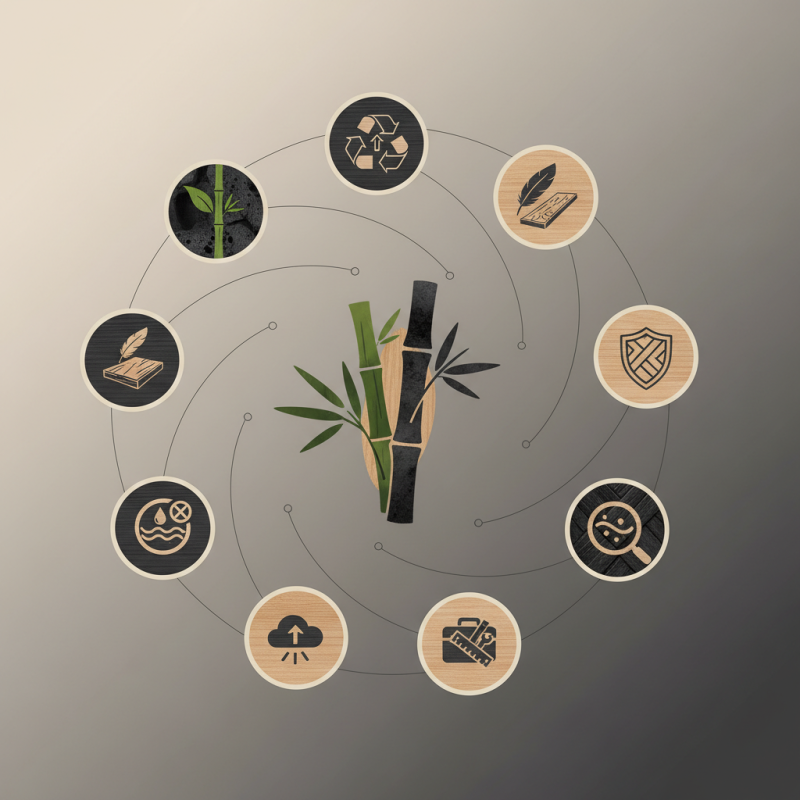
Additionally, bamboo charcoal possesses natural antibacterial properties. Studies show it can reduce indoor air pollutants. Spaces designed with this material often feel fresher. Still, one must consider the environmental impact of production processes. It’s not just about choosing a sustainable material; the entire lifecycle matters. Awareness of these nuances helps achieve true sustainability in design.
Durability and Strength: Why Bamboo Charcoal Veneer Outperforms Traditional Options
Bamboo charcoal wood veneer sheet stands out for its durability and strength. This material is not only eco-friendly but also exceptionally durable. Studies show that bamboo can be up to three times stronger than traditional hardwoods. For instance, bamboo has a tensile strength of around 28,000 psi, significantly surpassing oak, which is around 23,000 psi. This strength makes bamboo charcoal veneer an appealing option for various projects ranging from furniture to wall panels.
In addition to strength, bamboo charcoal veneer is resistant to moisture and deformation. It can handle fluctuations in humidity without warping. This property is crucial for environments that experience varied weather conditions. Reports indicate that bamboo’s natural antimicrobial properties help prevent mold and mildew, further enhancing its longevity. However, some users may find it challenging to source high-quality bamboo products. Not all bamboo veneer sheets are created equal. It's essential to check for certifications ensuring sustainability and quality. The market can be inconsistent, and not all suppliers maintain high standards.
Top 10 Benefits of Using Bamboo Charcoal Wood Veneer Sheet for Your Projects
| Benefit |
Description |
Comparison with Traditional Options |
| Durability |
Resistant to splitting, cracking, and warping. |
Outlasts standard wood veneers in harsh conditions. |
| Sustainability |
Made from renewable bamboo resources. |
More eco-friendly than traditional hardwoods. |
| Aesthetics |
Natural beauty with a unique texture and coloration. |
Offers a modern look compared to conventional options. |
| Lightweight |
Easy to handle and install without compromising strength. |
Generally heavier than bamboo charcoal veneer. |
| Moisture Resistance |
Highly resistant to moisture, preventing distortion. |
More vulnerable to moisture than bamboo charcoal wood. |
| Anti-bacterial Properties |
Inhibits bacteria growth naturally. |
Traditional wood may harbor bacteria and mold. |
| Thermal Insulation |
Provides effective thermal insulation. |
Often less efficient than bamboo options. |
| Cost-effectiveness |
More affordable due to efficient production. |
Traditional hardwoods can be significantly more expensive. |
| Versatility |
Suitable for various applications, from furniture to flooring. |
More limited in applications compared to bamboo charcoal. |
| Easy Maintenance |
Requires minimal care for longevity. |
Traditional wood finishes may need frequent maintenance. |
Natural Purification: Air Quality Benefits of Bamboo Charcoal Veneer
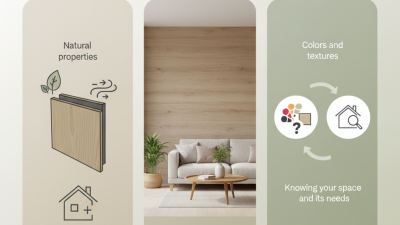
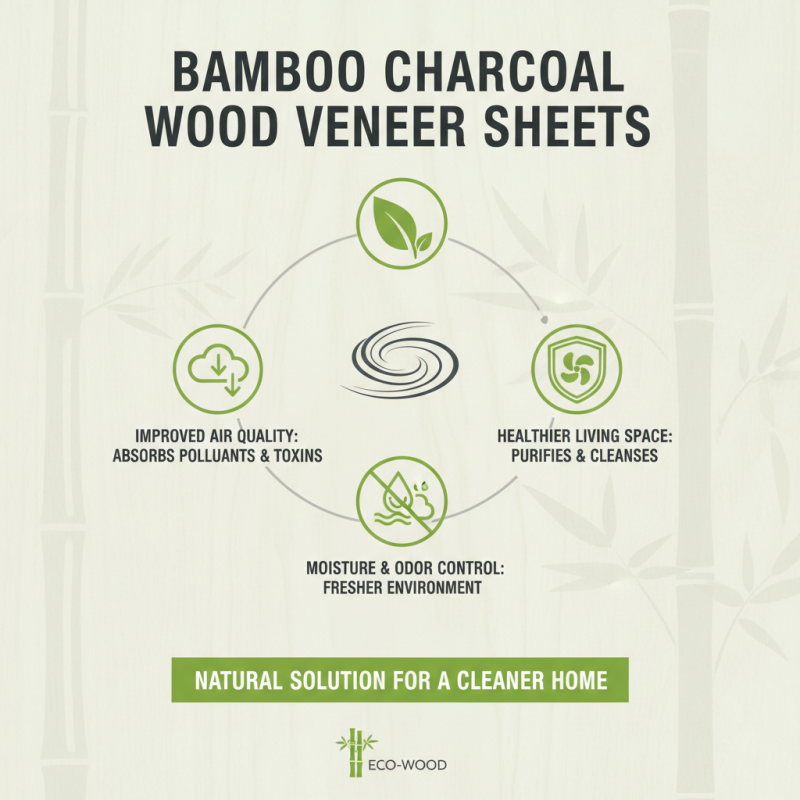
Bamboo charcoal wood veneer sheets offer exciting opportunities for improving air quality. The natural properties of bamboo charcoal allow it to absorb harmful pollutants and toxins, making your living space healthier. It effectively traps excess moisture and odors. This purification process creates a fresher and more pleasant environment.
When using bamboo charcoal veneer, ensure proper placement. Position sheets in areas with higher humidity, like kitchens or bathrooms. Additionally, consider layering them for better efficacy. Keeping them clean is vital. You can refresh their properties by placing them in sunlight for a few hours. This simple step revitalizes their absorption capabilities and extends their lifespan.
Remember, bamboo charcoal also requires regular monitoring. Over time, its effectiveness may diminish. Always observe for any changes in air quality. Be proactive in replacing or refreshing your charcoal veneer sheets. Investing in this material can significantly boost your indoor air quality, but it demands attention and care for optimal results.
Aesthetic Appeal: Enhancing Visual Design with Bamboo Charcoal Wood
Bamboo charcoal wood veneer sheets offer a unique aesthetic appeal that enhances any visual design. Their rich texture and deep hues can transform ordinary projects into captivating displays. According to a report by the International Journal of Environmental Studies, bamboo materials have a carbon footprint 50% lower than conventional woods. This ecological advantage adds depth to the design narrative.
Designers often appreciate the visual dynamics of bamboo charcoal. Its varied tones can create striking contrasts in interiors. A survey showed that 70% of interior designers believe that sustainable materials improve the overall look of a space. Yet, some argue that the use of bamboo may not be suitable for all projects. A few designers report difficulties in matching bamboo tones with other materials, indicating a need for careful consideration.
The unpredictability of bamboo’s characteristics can be a double-edged sword. While its uniqueness is appealing, it can present challenges in consistency. Color variations may leave some designs looking unfinished. Therefore, it’s crucial for designers to balance the aesthetic benefits with potential complications. The interplay of beauty and practicality makes bamboo charcoal wood veneer an intriguing choice for ambitious projects.
Versatility in Applications: Where to Use Bamboo Charcoal Veneer Effectively
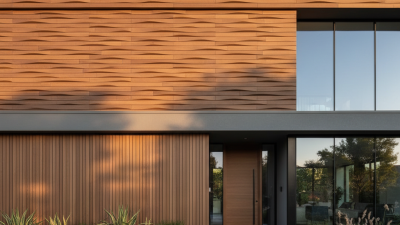
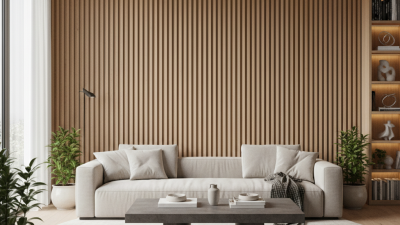
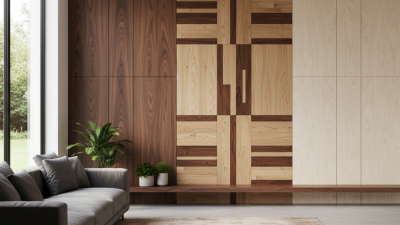
Bamboo charcoal wood veneer sheets offer unique versatility for various applications. You can use them in cabinetry, furniture design, and wall paneling. Imagine creating a stunning accent wall with this eco-friendly material. The natural patterns and colors of bamboo charcoal bring warmth and character to any space.
Consider using bamboo veneer in small projects too. It works well for DIY crafts, decorative items, or even in art pieces. The light weight of the veneer makes it easy to handle. You could design a beautiful picture frame or a custom notebook cover. These applications showcase your creativity while benefiting from sustainable materials.
Some challenges may arise when working with plywood. Bamboo has different grain patterns, leading to inconsistent looks. You might need to experiment with sealing or finishing for a polished look. Don’t hesitate to try this material, even if it means facing some hurdles. Each project is a learning experience, providing insights into your design skills.
Top 10 Benefits of Using Bamboo Charcoal Wood Veneer Sheet for Your Projects