Leave Your Message
Choosing the best Uv Board in 2026 requires more than comparing gloss, color, or price. The term can describe different panel materials, finishes, and manufacturing standards. Some boards use PVC foam cores, while others combine wood fiber, aluminum, or engineered substrates. That distinction matters.
A reliable evaluation begins with the project’s real conditions. A kitchen cabinet may face steam, oil, repeated wiping, and sharp cookware. A retail wall may need stronger scratch resistance and consistent color under bright lighting. Outdoor use demands separate attention to moisture, heat movement, and ultraviolet exposure. A beautiful sample can still fail at the edges.
Look closely.
Material thickness, core density, coating adhesion, surface hardness, and edge sealing should be checked together. Ask suppliers for technical sheets, batch information, and independent test results when available. Glossy finishes often show fingerprints and fine scratches more clearly than textured surfaces. Dark colors may also reveal uneven reflections under direct light.
Practical experience suggests that no single Uv Board suits every application. Premium coating systems may improve appearance and cleaning performance, but they can raise costs. Lower-priced panels may perform well in low-traffic interiors, yet their long-term stability remains uncertain without testing. I would avoid judging quality from showroom lighting alone. It can hide small waves, weak corners, and inconsistent gloss.
This guide compares the main board types for 2026. It considers durability, appearance, maintenance, installation, environmental exposure, and total value. The final choice should reflect verified performance, not marketing language. That is the part many buyers overlook.
What Is the Best Type of UV Board in 2026?
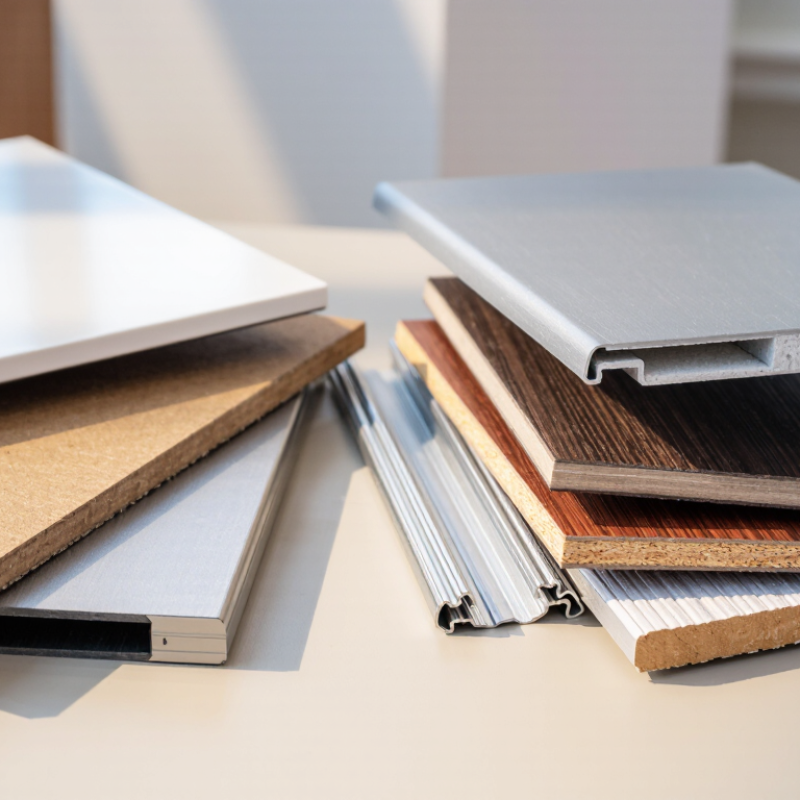
Define UV Boards: PVC, Acrylic, and Composite Panels for 2026
“UV board” describes a finish or treatment, not one specific core material. A UV-cured coating can protect a panel’s surface, but it does not make every board equally weatherproof. PVC panels suit damp interiors because they resist moisture and are easy to wipe clean. Acrylic is the clearer choice when light transmission matters; clear acrylic sheet technical data commonly lists visible-light transmission near 92%. It can scratch, though, and edges may chip during rough handling.
Composite panels vary widely: some combine wood fibers and plastic, while others use layered cores. Check the exact construction before comparing strength or outdoor life. PlasticsEurope’s Plastics—The Fast Facts 2023 reports 400.3 million tonnes of global plastics production in 2022. That figure describes industry scale, not panel performance; it is a reminder to consider material use and disposal alongside appearance. A bright showroom sample can also hide how a panel ages in direct sun.
Tips: Ask for the core, coating type, thickness, and test results for UV exposure and moisture. Compare samples outdoors, not just under store lights. Match the panel to its job: wet-room cladding, a light-diffusing display, and an exterior sign need different properties. There is no universal winner. A specification can still miss real-world wear.
| Comparison factor | PVC Board | Acrylic Board | Composite Panel |
|---|---|---|---|
| What it is | Rigid polyvinyl chloride sheet; it may be solid or made as lightweight expanded-foam board. | Polymethyl methacrylate (PMMA), a clear or colored thermoplastic often called acrylic sheet. | A layered or multi-material panel. Examples include aluminum composite panels and wood-plastic composite boards; their properties vary by construction. |
| Typical strengths | Lightweight, easy to cut and route, and resistant to moisture in many common indoor applications. | High optical clarity, a glossy appearance, good weatherability, and strong resistance to yellowing from sunlight compared with many plastics. | Can combine useful properties such as a flat face, rigidity, or low weight. Aluminum composite panels are commonly used for signs and cladding; wood-plastic composites are used in some outdoor products. |
| Points to consider | Expanded PVC can dent or deform under impact. Heat resistance is limited, and prolonged outdoor exposure may require a UV-stabilized grade. | Can scratch more readily than glass, may crack under stress, and generally costs more than basic PVC foam board. | Performance depends on the facing, core, adhesive, and edge construction. Some types are unsuitable for prolonged outdoor use or exposure to moisture. |
| UV and outdoor suitability | Do not assume standard PVC board is outdoor-grade. Check the manufacturer’s UV-stability rating and the printing or coating system. | PMMA has good outdoor weatherability, but printed graphics, coatings, and mounting methods may have different service-life limits. | Check the exact panel’s exterior rating and finish. For aluminum composite panels, exterior suitability depends on the coating and core specification. |
| UV printing and finish | Often selected for printed signs and displays. Confirm ink adhesion on the specific surface; preparation or a compatible primer may be needed. | Can provide a smooth, high-gloss print surface. Printing on the front or reverse affects appearance and protection, so specify the required method. | Printability depends on the surface layer. A smooth, compatible facing can support printing, but exposed edges and panel construction may affect durability. |
| Common applications | Indoor signs, display panels, lettering, and lightweight decorative boards. | Display panels, illuminated signs, protective screens, and applications where clarity or a polished appearance matters. | Signage, architectural panels, partitions, and other applications chosen according to the specific composite type and rating. |
| Best fit when | Low weight, easy fabrication, and value are priorities, especially for indoor projects. | Clarity, gloss, or improved outdoor weatherability is important and the budget allows for the material. | You need a particular combination of panel rigidity, surface finish, or construction, and can verify that the chosen panel meets the project requirements. |
| Before buying | Confirm whether the board is solid or foam, its thickness, UV stabilization, and compatibility with the chosen ink or adhesive. | Confirm thickness, grade, surface finish, scratch expectations, and whether the print will be exposed or protected. | Identify the exact composite type, core, facing, intended indoor or outdoor use, fire requirements where relevant, and finishing method. |
Selection note: There is no universally best UV board. Choose by application, exposure, appearance, fabrication needs, and the board’s documented specifications. UV-cured printing does not by itself make a substrate or printed panel weatherproof.