Leave Your Message
Get Instant Quote

China Top WPC Wall Panel Suppliers for Global Buyers

China Top WPC Wall Panel Suppliers for Global Buyers

Global buyers are examining Chinese Wpc Wall Panel suppliers with greater care. They want more than attractive samples and competitive prices. They need stable dimensions, reliable surface finishes, documented testing, and consistent production.

Professor Qinglin Wu, a recognized wood-plastic composite researcher, has stated, “The performance of wood-plastic composites depends on the interaction between wood fibers and polymers.” This principle matters in every order. A wall panel may look excellent under showroom lighting. It may perform differently after humidity, heat, repeated cleaning, or long-distance transportation.

That is why supplier evaluation should begin with the factory, not the catalogue. Buyers should review core materials, extrusion equipment, embossing lines, and quality-control records. They should ask for water absorption data, fire-performance documentation, dimensional tolerance reports, and installation guidance. Production capacity also deserves attention. A supplier may handle a small hotel project well, yet struggle with a large commercial order.

Details reveal experience. Check panel thickness with a caliper. Inspect corner profiles and locking edges. Compare color samples from different production batches. Ask how rejected panels are recorded and corrected. These small actions can prevent expensive surprises.

No supplier is perfect.

Pricing alone can mislead. A low quotation may exclude packaging, mould fees, testing, or replacement support. Even experienced buyers sometimes overlook these details. This guide introduces leading China-based Wpc Wall Panel suppliers and examines their materials, customization options, export experience, certifications, and service reliability. The goal is practical comparison, not promotional praise, so global buyers can choose with clearer evidence and fewer assumptions.
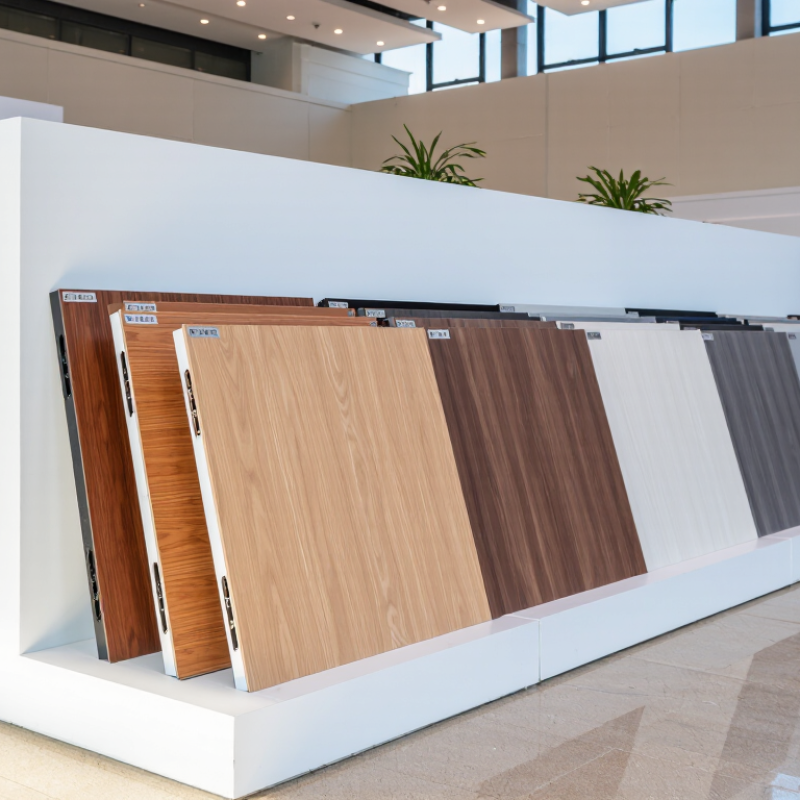
China Top WPC Wall Panel Suppliers for Global Buyers

What WPC Wall Panels Are and Why Global Buyers Choose Them

WPC wall panels are composite boards made from wood fiber and thermoplastic resin. Manufacturers blend these materials, then shape them through controlled extrusion. This process creates stable panels with consistent profiles and surface textures. Some panels imitate oak grain, while others offer smooth, modern finishes. WPC is not completely maintenance-free. Heat, strong sunlight, and poor ventilation can affect expansion and color. Buyers should check installation gaps, temperature limits, and technical data before ordering.

Global buyers choose WPC panels for practical reasons. They resist ordinary moisture better than untreated wood and clean easily with a soft cloth. This suits hotels, offices, restaurants, and residential interiors. Panels can also hide uneven walls, wiring channels, or minor surface damage. Their lighter weight may reduce handling effort during installation. However, performance differs between products. A low-cost panel may warp or scratch sooner than expected.

Careful sourcing matters. Reliable suppliers should provide material specifications, test reports, installation instructions, and production samples. Buyers can compare panel thickness, density, locking accuracy, and color consistency. Factory audits and pre-shipment inspections add useful protection. Packaging also deserves attention, especially for long-distance transport. A sample may look excellent under showroom lighting but reveal fitting problems on a real wall. That small disappointment is worth discovering early. Suppliers in China can support custom lengths, colors, and packaging, but clear drawings and written tolerances are essential.


Key Factors for Evaluating Chinese WPC Wall Panel Suppliers

China Top WPC Wall Panel Suppliers for Global Buyers

Key Factors for Evaluating Chinese WPC Wall Panel Suppliers

China’s WPC wall panel sector is expanding with global renovation demand. Grand View Research estimated the wood-plastic composites market at about USD 7.1 billion in 2023. Its report also projects nearly 7% annual growth through 2030. These figures attract capable factories, but they also increase supplier differences.

Experience starts with factory verification. Request production records, material formulas, and recent batch samples. Check whether recycled plastic content remains consistent. Small changes can affect color, hardness, and moisture resistance. A reliable supplier should provide test reports from independent laboratories. Important checks include dimensional stability, water absorption, surface adhesion, VOC emissions, and fire performance.

Ask for evidence.

EN 15534 and ASTM D7031 can guide product evaluation, depending on the destination market. Intertek’s building-material testing guidance highlights the need for testing under intended-use conditions, not only laboratory averages. Inspect panel edges, locking systems, and packaging strength before approving a large order. Photos are useful, but physical samples reveal warping and surface defects more clearly.

Cost deserves careful review. A lower quotation may exclude molds, testing, protective films, or replacement stock. Request a complete specification sheet and a written tolerance range. Carbon footprint data is also becoming relevant; a 2024 report from MarketsandMarkets identifies construction applications as a major driver of WPC demand. Still, recycled content alone does not prove sustainability. Supplier claims need verification. No audit is perfect. Recheck critical data before shipment.

Leading Supplier Types and Manufacturing Capabilities in China

China’s WPC wall panel market includes factory-direct producers, trading companies, and integrated building-material suppliers. Factory-direct suppliers usually offer better control over extrusion, surface embossing, lamination, and color matching. Trading companies can simplify communication and combine products from several factories. However, their technical control may be limited.

Experienced manufacturers often manage resin mixing, wood-fiber preparation, profile extrusion, co-extrusion, cutting, and packaging in one facility. Some also provide CNC grooving, fire-performance testing, moisture checks, and custom textures. Buyers should request production photos, material specifications, inspection records, and recent samples. A reliable supplier should explain density, panel thickness, installation tolerances, and expected color variation clearly. Ask for evidence, not promises. Samples can look excellent while large-volume consistency remains uncertain.

Tips: Compare at least three supplier types. Visit the factory when possible. Check whether the laboratory tests match the final product. Confirm carton strength and pallet protection before shipment. Discuss replacement procedures for damaged panels. Do not judge capability from a polished catalog alone. A supplier may have advanced equipment but weak quality discipline. That detail deserves careful review.

Quality Standards, Customization, and Export Support

China Top WPC Wall Panel Suppliers for Global Buyers

Quality Standards, Customization, and Export Support

Reliable WPC wall panel suppliers should provide more than attractive catalog images. Experienced buyers usually request technical data, material ratios, surface specifications, and test reports before ordering. Panels should be checked for dimensional stability, moisture resistance, and surface adhesion. Relevant documentation may include EN 15534, ASTM testing, or fire classification reports, depending on the destination market.

Samples reveal flaws.

Customization is practical when it follows production limits. Suppliers may adjust panel length, width, embossed texture, matte level, and color tone. They should confirm tolerances before mass production. A small color difference can become obvious across a hotel corridor.

We once saw a sample appear perfect under warm lighting, yet noticeably different in daylight. That gap matters.

Buyers should approve a physical reference sample, not only a digital image.

Export support includes protective packaging, carton markings, loading plans, and clear commercial documents. Moisture barriers and corner protection can reduce damage during long sea transport. Suppliers with export experience should explain lead times, minimum order quantities, inspection stages, and replacement procedures.

Independent pre-shipment inspection adds useful control. Still, no factory process is flawless. Some suppliers communicate well but provide weak technical follow-up, while others produce accurately but respond slowly. Buyers need both production evidence and dependable communication.

How to Select and Purchase from a Reliable Chinese Supplier

China Top WPC Wall Panel Suppliers for Global Buyers

Selecting a reliable Chinese WPC wall panel supplier requires more than comparing online prices. A polished website proves little. Request recent factory photos, production videos, business licenses, and export references. If possible, arrange a live factory inspection or use an independent auditor. I have found that clear communication often reveals more than attractive catalogs.

Ask for physical samples before discussing large orders. Check panel thickness, weight, surface finish, color consistency, edge quality, and moisture resistance. Request test reports for fire performance and formaldehyde emissions, then confirm they match your destination’s regulations. Specifications must appear in the quotation, not only in conversation. A small misunderstanding can become a costly container problem.

Tips: Compare at least three suppliers. Confirm minimum order quantities, sample charges, lead time, packaging, payment terms, and delivery conditions. Require a pre-shipment inspection with agreed acceptance standards. Review carton labels and export documents carefully. Keep written records of every change. A low price may hide thinner panels or weaker packaging. I once underestimated installation tolerances; that mistake taught me to test accessories and wall conditions early. No supplier is perfect, and buyers should question their own assumptions too.