Why Choose 3D WPC Exterior Wall Panels for Your Home Improvement?
In the realm of home improvement, the choice of materials is crucial. 3D WPC exterior wall panels stand out as a top contender. John Smith, a leading expert in sustainable materials, says, “3D WPC panels offer a unique blend of aesthetics and durability.” His words resonate with many homeowners seeking long-lasting beauty.
These panels not only enhance the visual appeal of your home but also provide practical benefits. Made from a mix of wood fibers and plastic, they resist rot and insects. Imagine choosing a product that could reduce maintenance while increasing curb appeal. However, it's essential to consider installation challenges. While 3D WPC panels promise benefits, improper installation can lead to issues.
On the surface, they appear perfect. But every material has its flaws. Homeowners must weigh costs against long-term value. Exploring 3D WPC exterior wall panels could be your next best step. A thoughtful approach could transform your home's exterior dramatically.
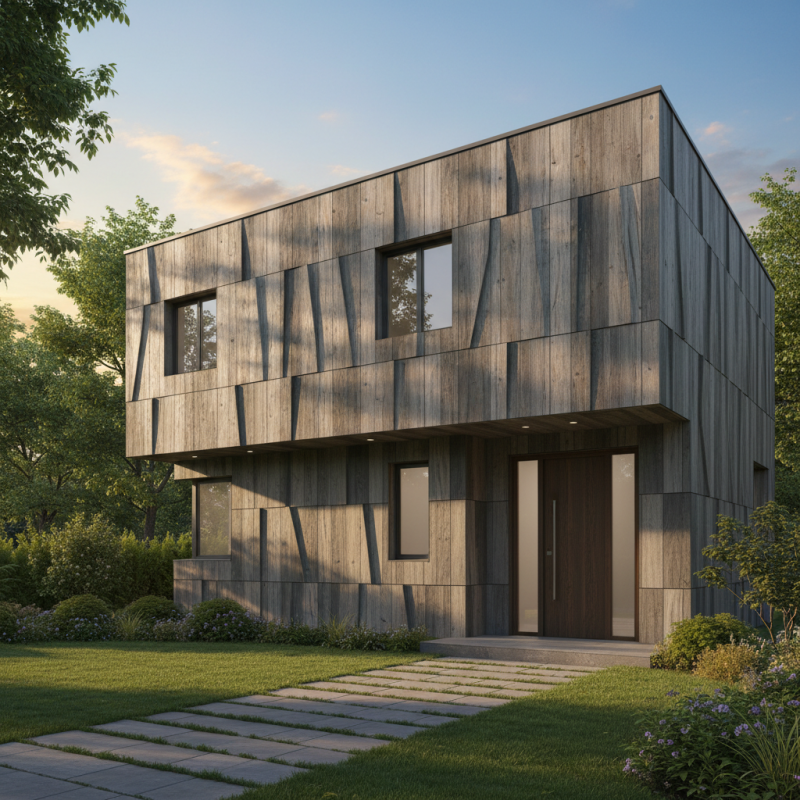
Advantages of 3D WPC Exterior Wall Panels in Home Improvement
When considering home improvement, 3D WPC exterior wall panels are increasingly popular. They combine wood and plastic, offering durability and aesthetic appeal. One major advantage is their resistance to moisture. This characteristic makes them ideal for various climates. You won’t have to worry about mold or rot weakening your walls.
Another key benefit is the wide array of designs. 3D textures add depth and interest to any facade. This variety allows homeowners to create a unique look. However, the installation process can be tricky. Assembling these panels requires precision and care. If not done properly, the finished look may not meet expectations.
Maintenance is relatively low compared to traditional materials. Still, some homeowners might find color fading over time. Regular cleaning and touch-ups are necessary to maintain the appearance. While the initial investment may be higher, the long-term benefits can be worth it. With careful consideration, 3D WPC panels can enhance both the beauty and functionality of your home.
Durability and Longevity of 3D WPC Materials
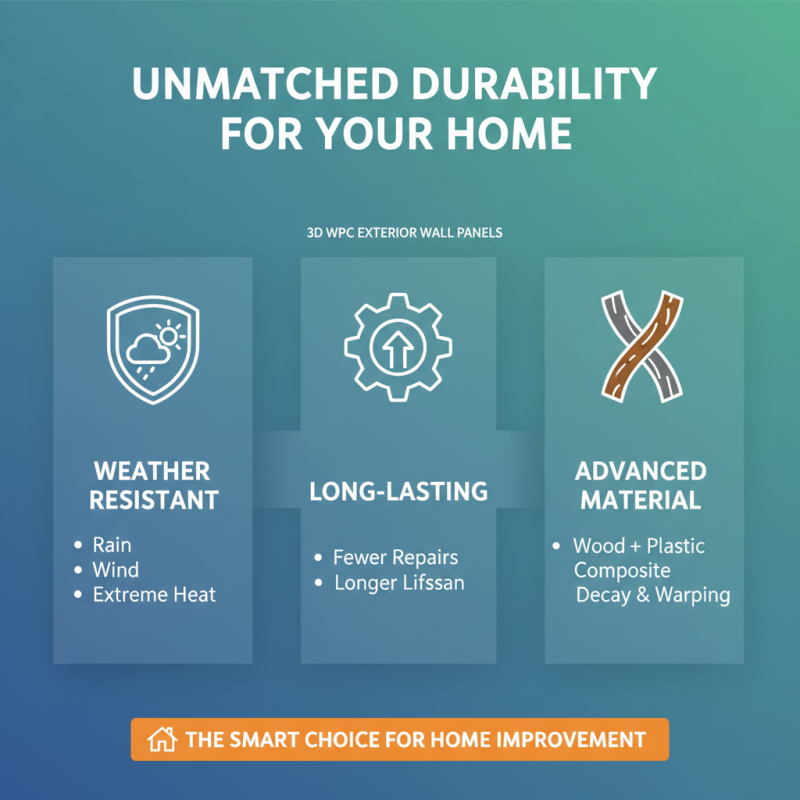
When considering home improvement, durability is key. 3D WPC exterior wall panels excel in this area. Made from a unique combination of wood and plastic, they resist harsh weather conditions. Imagine your panels standing strong against rain, wind, or extreme heat. This resilience translates to fewer repairs and a longer lifespan compared to traditional materials.
Additionally, these panels don’t just endure; they maintain their appearance over time. Many homeowners appreciate how they won’t warp or fade easily. While the initial investment might seem higher, think about the savings in maintenance costs. However, it's wise to reflect on installation practices. A poor setup can diminish their longevity, so professional installation is recommended.
In urban settings, where pollution can be an issue, 3D WPC panels shine. They are relatively easy to clean and resistant to mold and mildew. This ease of upkeep is appealing. Homeowners appreciate solutions that remain beautiful with minimal effort. Yet, moving forward, consider how different environments might affect these materials. It's essential to select the right type based on your specific needs and surroundings.
Design Flexibility and Aesthetic Appeal of 3D WPC Panels
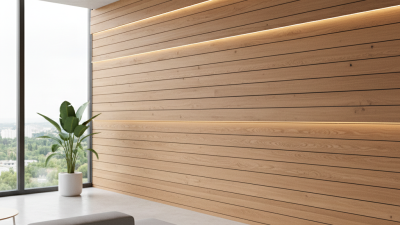
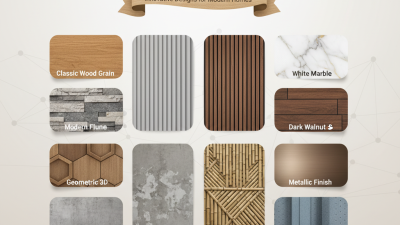
3D WPC exterior wall panels are becoming popular for home improvement. They offer unmatched design flexibility. These panels can mimic natural wood textures without the drawbacks. Imagine a rustic wood finish that won’t fade or rot. This brings charm without the maintenance.
Aesthetic appeal plays a critical role in home design. With 3D WPC panels, you can customize colors and patterns easily. Whether you prefer sleek modern styles or classic finishes, there’s a choice for everyone. Some may find the multiple options overwhelming. Choosing the right combination is essential for visual harmony.
Installation is another consideration. While 3D WPC panels are easy to work with, ensuring a seamless join is vital. Imperfections can affect the overall look. These panels can sometimes warp or bend in extreme temperatures, requiring careful attention. In these cases, thoughtfulness in selection can prevent future issues.
Why Choose 3D WPC Exterior Wall Panels for Your Home Improvement?
| Feature |
Description |
Advantages |
| Design Flexibility |
3D WPC panels can be customized in various shapes, colors, and textures to suit any architectural style. |
Allows homeowners to create unique designs that reflect personal taste, enhancing curb appeal. |
| Durability |
Made from a blend of wood and plastic, these panels are resistant to moisture, pests, and fading. |
Long-lasting and requires minimal maintenance compared to traditional materials. |
| Eco-Friendly |
3D WPC panels are made from recycled materials, making them a sustainable building option. |
Reduces environmental impact and provides a green alternative for home building. |
| Aesthetic Appeal |
The unique three-dimensional designs offer a modern and elegant look to exteriors. |
Enhances the overall visual appeal of the property, making it more attractive to potential buyers. |
| Installation |
These panels are lightweight and easy to install, reducing labor costs and time. |
Faster project completion allows for timely home improvement. |
Environmental Benefits of Using WPC for Exterior Walls
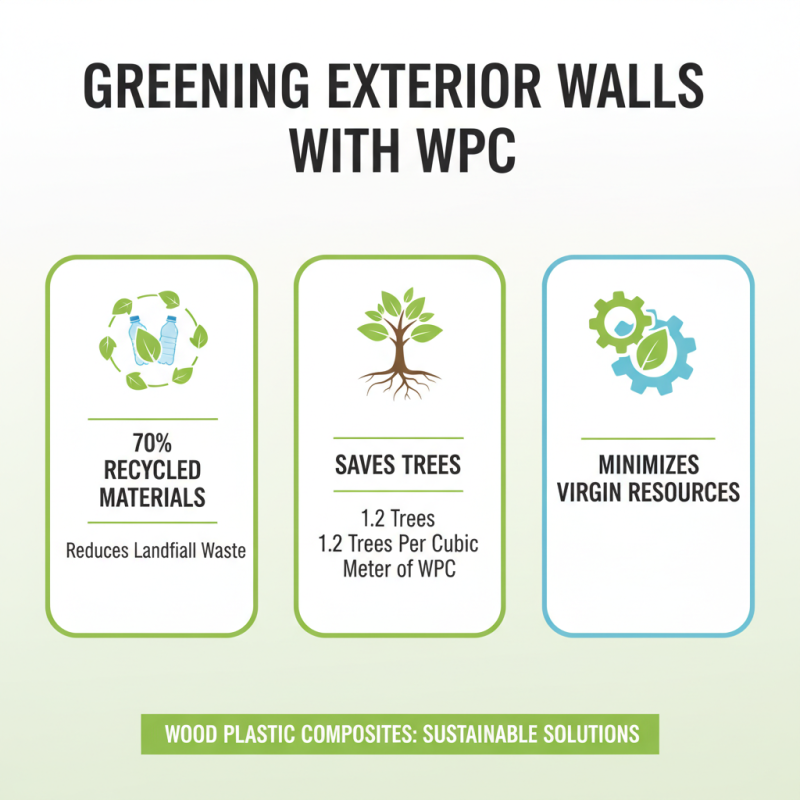
The use of Wood Plastic Composites (WPC) for exterior walls offers significant environmental benefits. Reports indicate that WPC materials are composed of about 70% recycled wood and plastic. This reduces landfill waste and minimizes demand for virgin materials. Additionally, according to a study by the Forest Products Laboratory, using WPC can help conserve trees. Every cubic meter of WPC can save an estimated 1.2 trees from being cut down.
WPC also excels in energy efficiency. A report from the U.S. Department of Energy highlights that insulated WPC panels can decrease energy loss by up to 30%. This effectively reduces heating and cooling costs, which benefits both homeowners and the environment. Moreover, WPC’s durability leads to a longer lifespan for exterior walls, which means less frequent replacements. Still, the production process of WPC is not entirely free of environmental impact, as it can involve energy-intensive manufacturing techniques.
While WPC is praised for its resilience to rot and termites, the composite nature can pose challenges in recycling at the end of its life cycle. Exploration of sustainable disposal methods is ongoing. In some cases, improper disposal may lead to environmental harm. Thus, continuous improvement in WPC technology and practices is essential for maximizing its environmental benefits. It’s a step forward, but reflections on its lifecycle remain crucial for a truly sustainable approach.
Cost-Effectiveness of 3D WPC Panels Compared to Traditional Materials
When improving your home, the choice of materials significantly impacts your budget and aesthetic. 3D WPC exterior wall panels stand out in this context. They offer a unique blend of beauty and durability. Compared to traditional materials like wood and brick, their cost-effectiveness is evident.
Using 3D WPC panels can save money in multiple ways. Installation is usually quicker and requires fewer resources. This means lower labor costs and reduced time on the job site. Additionally, they have a longer lifespan and require less maintenance. Traditional materials may need regular upkeep, which can add up over time.
However, some might find the initial price of WPC panels a concern. It’s crucial to evaluate the long-term savings against upfront costs. Choosing 3D WPC panels should be based on careful consideration of both immediate and future expenses. Thoughtful evaluation can lead to the best decision for your home's improvement.
Cost-Effectiveness of 3D WPC Panels Compared to Traditional Materials