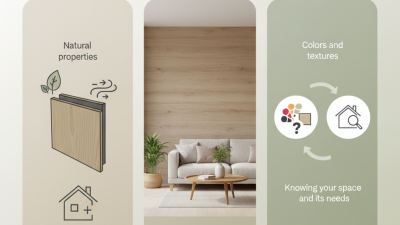
Choosing the right acoustic panels wood is essential for creating a sound-friendly environment. According to a recent report by the Acoustical Society of America, proper acoustic treatment can improve sound quality by up to 40%. This statistic emphasizes the importance of selecting high-quality materials that not only absorb sound but also enhance the aesthetic appeal of a space.
Many spaces, such as music studios or home theaters, benefit significantly from acoustic panels wood. The natural warmth of wood adds character while reducing unwanted noise. However, the choices can be overwhelming. Different woods offer varying levels of sound absorption, durability, and design. Some types may not perform as expected, leading to unsatisfactory results.
In some cases, the aesthetics of wood can overshadow its functional qualities. It's crucial to strike a balance. Selecting the right acoustic panels wood requires careful consideration of both sound performance and visual harmony. Reflecting on these factors will ensure the best choice for your space.
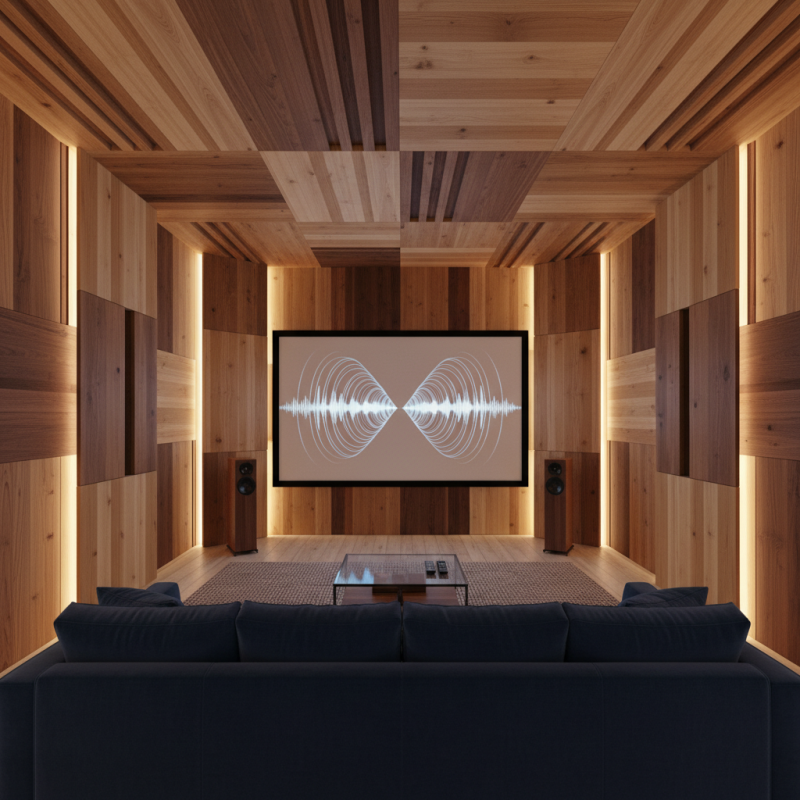
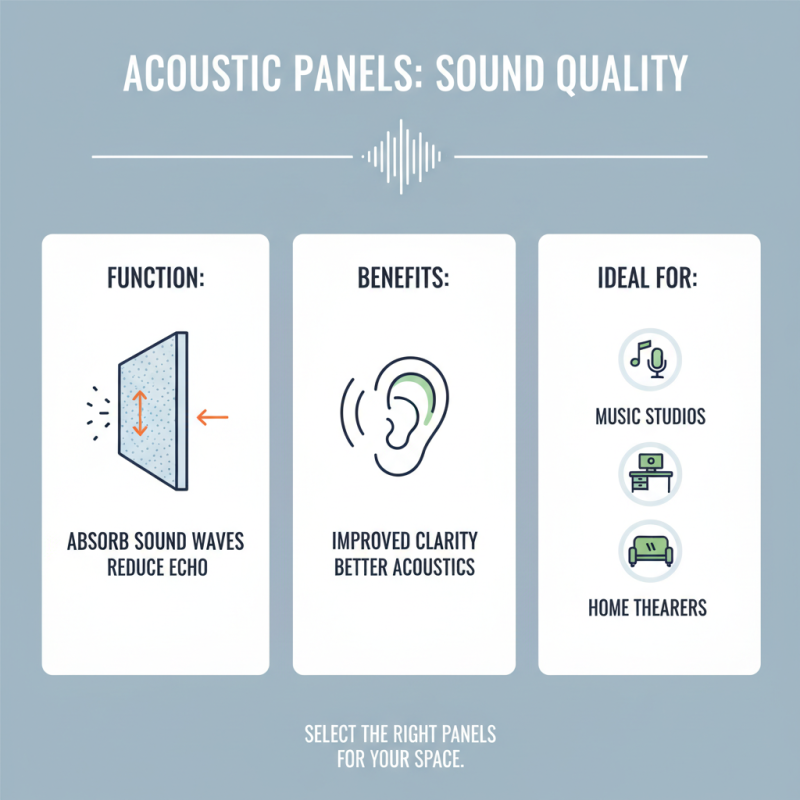
Acoustic panels are essential for improving sound quality in any environment. They absorb sound waves and reduce echo. This makes them especially useful in music studios, offices, and home theaters. Understanding their functionality can help in selecting the right panels for your space.
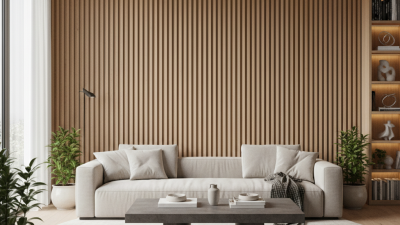
These panels come in various materials, including wood. Wood offers a natural aesthetic while aiding sound absorption. Different finishes and designs can enhance a room’s décor. However, wood may not absorb sound as effectively as other materials. It's crucial to evaluate your needs. Reflect on the type of sound you want to control. Are you looking to soften loud noises or improve clarity? This will guide your decision.
Another aspect to consider is placement. Acoustic panels should be strategically placed. Think about corners, walls, and ceilings. Each space is unique, so trial and error may be required. You might not achieve perfect results immediately. It’s a process that demands patience and adjustments. Consider how different panel arrangements affect sound. A thoughtful approach will lead to better acoustic management in your space.

Choosing the right wood for acoustic panels can significantly impact sound quality in your space. Key factors to consider include wood density and texture. Dense woods like oak or maple absorb sound effectively. A study showed that denser materials can reduce sound transmission by up to 30%. Texture also matters; rougher surfaces scatter sound waves better than smooth ones.
It's essential to assess the acoustic needs of your space. Do you need sound absorption or diffusion? Panels made from softer woods may absorb sound well but might not control reflections effectively. Evaluate areas where echoes occur. This will guide your choice in wood types.
Tip: Experiment with samples. Place wood panels in different parts of your room before making a final decision. Small changes can yield significant results. Also, consider the aesthetic appeal. Wood adds warmth but can clash with modern decor. Balancing form and function is crucial. Reflecting on these factors can help refine your selection.
This chart illustrates key factors to consider when choosing wood for acoustic panels. The first data point represents the density of common wood types, which can impact sound absorption. The second shows the average cost per square meter, affecting budget considerations. The sustainability rating reflects environmental impact, and aesthetic quality indicates how visually appealing the wood is for interior design.
Choosing the right wood for acoustic panels is crucial. Different types of wood have unique properties that affect sound absorption. Plywood and MDF are popular choices, but they each perform differently. According to a study by the Acoustic Society, hardwoods like oak and maple offer superior sound absorption due to their dense composition.
Softwoods, such as pine, have a lower density but can still be effective. They are lighter and often more budget-friendly. However, their sound dampening ability may not match that of hardwoods. The same study shows that softwoods can absorb specific frequencies better, making them ideal for certain applications.
It's important to consider your specific needs. The wood's grain and surface texture can also influence sound absorption. Some panels perform well in large spaces, while others excel in smaller environments. Reflecting on these factors can help in making the best choice for your acoustic paneling project.
When selecting acoustic panels, understanding NRC ratings is vital. Noise Reduction Coefficient (NRC) scores indicate how well a material absorbs sound. The scale ranges from 0 to 1, with 1 representing perfect sound absorption. A panel with a high NRC rating, such as 0.85, can reduce echoes and improve sound quality. This data is crucial for spaces like home studios, restaurants, or conference rooms.
However, high NRC ratings don't guarantee optimal performance in every environment. The shape and layout of a room influence sound behavior. For example, a small room may benefit from softer materials that absorb sound well, whereas large open spaces might require denser panels. According to industry reports, choosing the right panel involves considering reflections and room dimensions.
Some panels may look appealing but fail to deliver adequate acoustic performance. Aesthetic choices can come at the cost of sound absorption. It's essential to evaluate material types. For instance, wood panels may offer lower NRC ratings compared to fabric-covered options. This is a crucial reflection point when aiming to achieve the desired acoustic environment in your space.
Choosing wood finishes for acoustic panels goes beyond sound. It plays a significant role in how a space feels. The right finish can harmonize with your room's existing decor. Consider warm tones to create a cozy atmosphere. Lighter finishes may enhance a sense of openness. Each choice can subtly change the room's vibe.
Textures also matter in this decision. Smooth finishes reflect light, creating an airy feel. In contrast, rougher textures absorb sound and soften the space visually. Think about how these elements interact with your furniture and walls. A mismatch can disrupt the overall aesthetic.
Balancing acoustics and design is tricky, yet essential for a cohesive look. Color choices can evoke different emotions, too. Dark wood adds elegance but could feel heavy in small rooms. Light shades promote calmness but might look too sterile without other elements.
Don't forget to test samples within the space. Observing how each option looks under varying lighting conditions is crucial. Reflecting on these choices ensures your acoustic panels enhance both sound quality and style.