Digital Tips for Choosing Wpc Wall Panel for Outdoor Spaces?
Choosing the right Wpc Wall Panel For Outdoor spaces can be challenging. The options available are diverse, and each product has unique features. It's essential to consider a few key elements before making a choice.
When selecting Wpc Wall Panels, think about the climate in your region. Some materials resist moisture better than others. A panel that thrives in dry areas may not work well in humid environments. Additionally, think about the aesthetic you desire. The color and texture of a panel can significantly affect the overall look of your outdoor area.
Another aspect to ponder is installation. Some panels are easier to install than others. A do-it-yourself approach might save costs but may require specific tools and skills. Therefore, it’s crucial to reflect on your capabilities in this regard. While Wpc Wall Panels offer durability, it’s still important to choose wisely to avoid future regrets.
Factors to Consider When Selecting WPC Wall Panels for Outdoor Usage
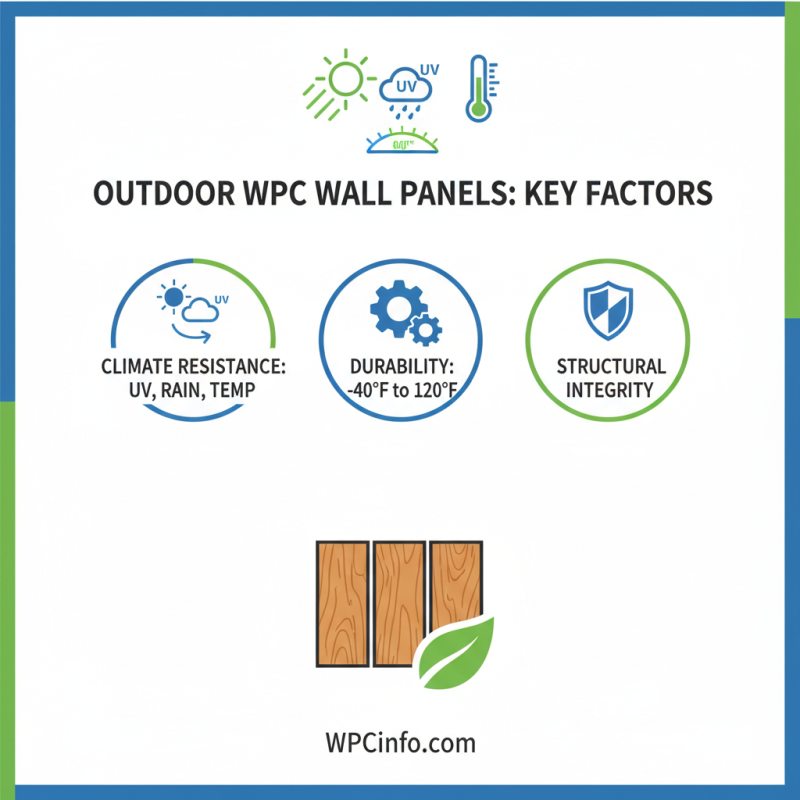
When selecting WPC wall panels for outdoor use, several factors are crucial. Consider climate conditions. Panels need to withstand UV rays, rain, and temperature fluctuations. For example, studies show that WPC materials can retain structural integrity in temperatures ranging from -40°F to 120°F. This durability is vital for outdoor structures.
Another important aspect is the panel's moisture resistance. WPC panels typically have a lower water absorption rate compared to traditional wood. Reports indicate that WPC can absorb as little as 1% moisture, preventing warping and decay. This is especially beneficial in humid areas where wood might suffer.
Aesthetics should not be overlooked. WPC panels come in various styles and colors, allowing for creative designs. However, some colors may fade faster than others, leading to uneven appearance over time. It’s essential to consider maintenance requirements. Regular cleaning is needed to maintain their look, but it can be less labor-intensive than wood. Balancing beauty and practicality is vital for outdoor projects.
Material Composition and Durability: A Comparison of WPC vs. Traditional Options
When it comes to outdoor spaces, choosing the right wall panel is crucial. Wood-plastic composite (WPC) panels combine wood fibers with plastic, offering unique benefits. They are resistant to rot, mold, and insects. This durability makes them an appealing choice for homeowners. In contrast, traditional wood panels require frequent maintenance, such as staining or sealing, to prevent deterioration.
While WPC panels are designed to endure the elements, they are not without flaws. Some may find their appearance less natural compared to real wood. The color may fade over time due to UV exposure. Still, the low maintenance and extended lifespan of WPC can offset these minor drawbacks. For those who prioritize longevity, WPC serves as a practical solution for outdoor wall applications.
On the other hand, traditional wood panels offer stunning aesthetics when new. However, their susceptibility to warping and cracking in extreme weather poses significant concerns. The decision ultimately hinges on balancing aesthetics and practicality. Homeowners must consider how much maintenance they are willing to commit to and the climatic conditions of their area before making a final choice.
Digital Tips for Choosing WPC Wall Panel for Outdoor Spaces
| Feature |
WPC Wall Panel |
Traditional Options (Wood) |
| Material Composition |
Wood Plastic Composite (WPC) is made from a blend of wood fibers and plastic. |
Natural wood, typically softwoods like pine, cedar, or hardwoods. |
| Durability |
Highly resistant to moisture, insects, and decay. |
Less resistant to moisture and more prone to rotting and insect damage. |
| Maintenance |
Low maintenance; requires occasional cleaning. |
Requires regular staining, sealing, and maintenance to prevent wear. |
| Environmental Impact |
Made from recycled materials and less impact on forests. |
Can contribute to deforestation unless sourced sustainably. |
| Cost |
Generally higher initial cost, but longer lifecycle reduces total cost. |
Lower initial cost but higher maintenance costs over time. |
Environmental Impact: Sustainability of WPC Wall Panels in Outdoor Spaces
When considering WPC (Wood Plastic Composite) wall panels for outdoor spaces, the environmental impact must be a priority. WPC materials are made from recycled wood fibers and plastic, which reduces waste in landfills. A report from the U.S. Forest Service highlights that composite materials can reduce deforestation by utilizing less virgin timber. This sustainable choice contributes to a healthier planet while providing the durability needed for outdoor conditions.
Choosing WPC panels isn't just about aesthetics; sustainability plays a critical role. The life cycle of WPC panels demonstrates their longevity, often exceeding 25 years. This durability means fewer replacements and less environmental strain. According to the Canadian Wood Council, WPC products can be 30% more energy-efficient to produce compared to traditional wood options, making them an eco-friendly choice for outdoor construction.
Tip: Select WPC panels with certified recycled content. This ensures your material choices support sustainability goals. Additionally, proper installation can enhance the lifespan of your panels, minimizing waste over time. Look for options that are resistant to mold and UV damage to maintain their quality without needing frequent replacements. Make informed choices, and contribute to a sustainable future.
Aesthetic Choices: Colors and Finishes Available for WPC Wall Panels
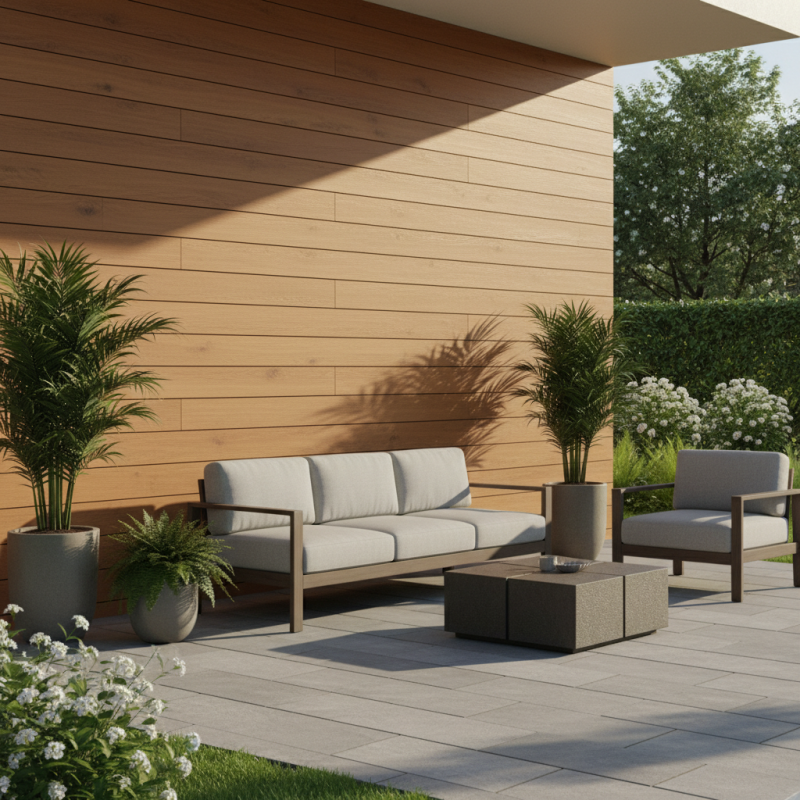
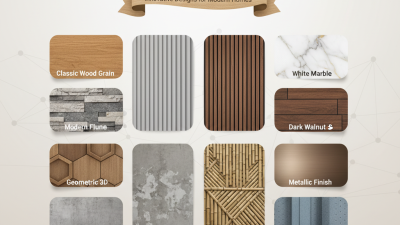
When it comes to enhancing your outdoor space, WPC wall panels offer a blend of style and durability. One crucial aspect to consider is the aesthetic appeal of these panels. WPC panels are available in various colors, from earthy tones to vibrant hues. Earthy browns can create a warm, inviting atmosphere. Bright colors can add energy and playfulness to your garden or patio.
The finishes of WPC wall panels also play a key role in the overall look. You can choose from smooth or textured surfaces. A textured finish gives a more rustic feel, while smooth panels offer a contemporary vibe. However, it can be challenging to decide between finishes. Textured panels may be harder to clean, while smooth ones can show scratches easily.
Consider how these elements work together in the space. Test samples in your outdoor area to see how light interacts with colors and finishes. Observe how different weather conditions affect the appearance over time. This will help you make a more informed choice. Keep in mind that the perfect combination should reflect your personal taste while being functional for outdoor use.
Cost Analysis: Long-term Value of Investing in WPC Wall Panels for Exteriors
When considering WPC wall panels for outdoor spaces, it's essential to evaluate long-term value. WPC, or wood-plastic composite, offers durability and resistance to varying weather conditions. These panels are often designed to look stylish while standing the test of time. However, investing in quality materials can lead to better performance. Lower-priced options may seem attractive, but they often require more frequent replacements.
The cost analysis reveals that spending more initially can yield savings over time. High-quality WPC panels resist fading, warping, and splintering. This longevity means fewer repairs or replacements in the future. Additionally, maintenance efforts are reduced, saving time and money.
It's also crucial to consider installation costs. Professional installation may add to the overall expense but can ensure a proper fit and finish. DIY installation might seem economical, yet it often leads to mistakes. Reflecting on these factors can guide you in making an informed decision. Choosing wisely means enjoying a beautiful and lasting outdoor space.
Cost Analysis: Long-term Value of Investing in WPC Wall Panels for Exteriors