China Top PVC Sheet Manufacturers and Suppliers?
China Top PVC Sheet Manufacturers and Suppliers? This question deserves more than a factory list. A reliable evaluation should examine resin formulation, sheet thickness, surface finish, dimensional stability, and documented quality controls. Manufacturing experience matters. A polished catalogue does not prove consistent production.
Grand View Research valued the global polyvinyl chloride market at approximately USD 45.2 billion in 2023. Its report projects continued growth through 2030, supported by construction, packaging, electrical, and industrial applications. However, these figures describe the broader PVC market, not the PVC Sheet segment alone. That distinction is important. Market reports use different scopes, currencies, and forecasting methods. Their numbers should guide research, not replace supplier verification.
Patrick Thomas, former Covestro chief executive and a recognized plastics-industry specialist, stated, “Plastics are too valuable to throw away.” His point is highly relevant when comparing Chinese PVC Sheet suppliers. A responsible manufacturer should explain material selection, production waste handling, recycling options, and expected service life. Buyers should request recent test reports, ISO 9001 records, RoHS or REACH declarations, and samples from actual production batches. Check the edges, not only the photographs. Compare thickness tolerance, color consistency, impact performance, and packaging strength. Some suppliers may offer attractive prices, yet weaker documentation or unstable formulations can create replacement costs later. That risk is easy to underestimate. This guide will assess leading Chinese manufacturers and suppliers through transparent evidence, practical product details, and realistic limitations. Perfect rankings are impossible. A careful shortlist is still achievable.
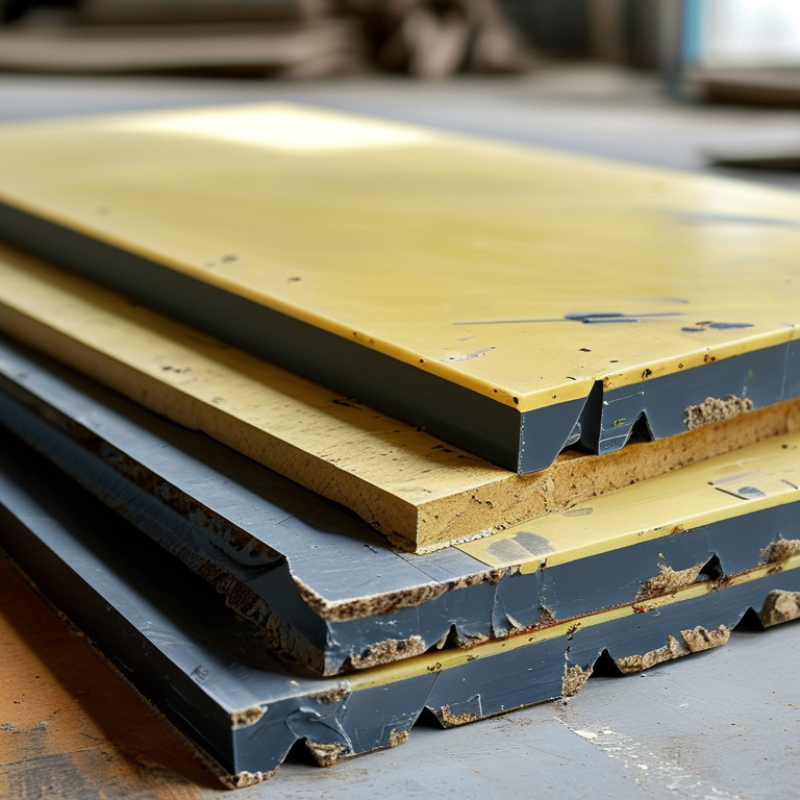
PVC Sheets in China: Types, Properties, and Common Applications
China Top PVC Sheet Manufacturers and Suppliers?
PVC sheets in China are commonly produced as rigid, flexible, clear, foamed, or reinforced panels. Rigid PVC offers strong dimensional stability and resists moisture, corrosion, and many household chemicals. Flexible grades bend around tanks, covers, and protective curtains. Clear sheets allow visual inspection, while foamed panels reduce weight and support easy cutting.
Manufacturers usually adjust plasticizers, stabilizers, pigments, and processing temperatures for each application. Construction projects often use PVC sheets for wall cladding, partitions, roofing details, and temporary protection. Industrial workshops may select thicker panels for equipment guards, tank linings, and fabricated ducts. Clear sheets can serve machine windows and display protection, but surface scratching remains a practical concern.
Selection should match the working temperature, chemical exposure, thickness tolerance, and installation method. A supplier should provide technical data, sample sheets, and batch inspection records. Check impact strength, hardness, color consistency, and flatness before placing a large order.
Small differences matter. In practice, a low-cost sheet may warp after cutting or show uneven edges. That issue is easy to overlook during quotation reviews. Outdoor use also requires suitable ultraviolet resistance; standard interior PVC can fade or become brittle under prolonged sunlight. Bulk buyers should confirm packaging, moisture protection, cutting tolerances, and production lead times in writing.
How to Evaluate China’s PVC Sheet Manufacturers
China’s PVC sheet sector serves construction, chemical processing, signage, and industrial fabrication. A 2024 Fortune Business Insights report valued the global PVC market at about USD 44 billion and projected continued growth through 2032. That scale creates opportunity, but it also hides uneven supplier quality. Price alone is a weak filter.
Start by checking measurable production evidence. Request thickness-tolerance records, resin specifications, batch numbers, and recent test reports. Compare tensile strength, impact resistance, density, water absorption, and Vicat softening temperature. ISO 527, ISO 178, and ASTM D638 methods can support comparable testing. Ask whether tests cover the exact sheet grade, not a similar sample. Small detail. It matters.
Evaluate the factory, not only its website. Review extrusion-line capacity, calibration equipment, storage conditions, and regrind controls during a video or physical audit. ISO 9001 certification supports process discipline, but it does not guarantee every shipment. A 2023 PlasticsEurope report also highlights recycling and resource efficiency as major industry priorities. Ask how production waste is controlled and documented. Confirm packaging, loading protection, lead times, and complaint procedures in writing. Independent pre-shipment inspection is sensible for large orders. I would still avoid relying on one inspection report; conditions can change between batches. Obtain a pilot lot, machine it, expose it to the intended chemicals, and record performance before approving regular supply.
Leading Chinese PVC Sheet Manufacturers and Their Product Ranges
China’s PVC sheet sector serves construction, packaging, signage, furniture, and industrial fabrication. Leading Chinese manufacturers usually offer rigid PVC sheets, foam boards, transparent sheets, and flexible grades. Product ranges may include white, gray, colored, embossed, matte, and glossy surfaces. Custom dimensions are common.
Thickness often ranges from 0.5 to 30 millimeters, depending on the application. Some factories supply sheets for thermoforming, CNC cutting, welding, or printing. Industrial grades can provide resistance to moisture, mild chemicals, and impact. Certain suppliers also produce anti-static or flame-retardant options. Buyers should verify test data, not rely only on catalog language.
Reliable manufacturers control thickness, density, surface finish, and color consistency during production. Factory audits can reveal storage conditions, calibration records, and packaging quality. Ask for samples before approving large orders. Small surface marks may appear after poor handling. That detail is easy to overlook. Independent testing can confirm performance under real working temperatures. Certifications are useful, but they do not replace practical trials. A sheet that passes a laboratory test may still warp during cutting or transport. Clear communication about tolerances, packing methods, and intended use reduces costly misunderstandings. Supplier experience matters, yet every project deserves fresh evaluation.
PVC Sheet Suppliers: Customization, Certifications, and Production Capacity
China’s top PVC sheet suppliers should be judged beyond price. Customization, certification, and production capacity reveal operational maturity. Grand View Research valued the global PVC market at about USD 45.08 billion in 2022. It also projected a 4.5% compound annual growth rate from 2023 to 2030. This growth increases demand for stable, application-specific sheets.
Ask suppliers for thickness ranges, width limits, surface finishes, colors, and tolerance records. A reliable factory should provide samples before mass production. It should also explain resin selection, plasticizer content, and recycling controls. ISO 9001 supports quality management, while ISO 14001 indicates environmental management practices. For electrical or construction uses, request relevant fire, chemical-resistance, RoHS, REACH, or UL test documentation. Certificates alone are not enough. Verify the issuing laboratory and report date.
Tips: Request monthly output, active production lines, average defect rates, and current lead times. Compare these figures with your order volume. A supplier claiming 5,000 tonnes monthly should show practical evidence, not only a brochure. Independent audits, batch photos, and traceable inspection records are useful. I would still question unusually low prices. They may reflect thinner sheets, inconsistent additives, or weak testing. Production capacity can look impressive, yet delivery performance may remain uneven. Ask for recent shipment records and a small trial order before making a long-term decision.
How to Select and Purchase PVC Sheets from China Suppliers
Selecting and purchasing PVC sheets from China requires more than comparing quotations. Grand View Research estimated the global PVC market at about USD 45.2 billion in 2023, with continued growth expected through 2030. That scale creates many suppliers, but quality can vary sharply. Define the sheet’s use first: signage, construction, packaging, or fabrication. Then specify thickness, width, density, color, surface finish, and tolerance. Ask for a recent technical data sheet and an independent test report. Do not rely on photographs alone.
Request samples from at least three suppliers. Measure thickness at several points, inspect the edges, and check whether the surface scratches easily. A reliable supplier should explain raw-material composition, production capacity, inspection procedures, and packaging protection. ISO 9001 certification can support process reliability, but it is not proof of every product’s quality. Confirm applicable requirements such as REACH or RoHS when your market requires them. One common mistake is accepting a very low price before calculating freight, customs, waste, and possible rework.
Tips: Put every requirement in the purchase contract. Include tolerance ranges, test methods, sample approval, delivery terms, inspection rights, and remedies for nonconformity. Use neutral pre-shipment inspection when the order is important. Keep payment stages linked to production evidence. Also, question unusually perfect claims. Suppliers sometimes provide impressive samples, while mass production feels different. That risk deserves attention.