What Is 3D WPC Wall Panel and Why Choose It?
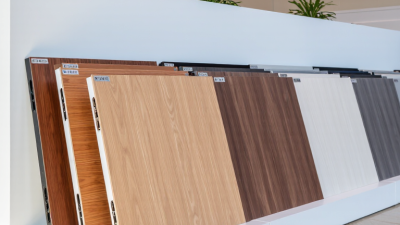
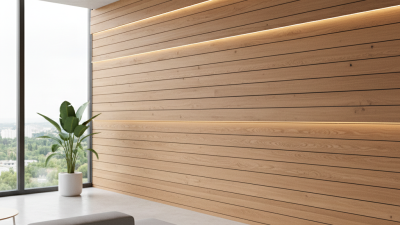
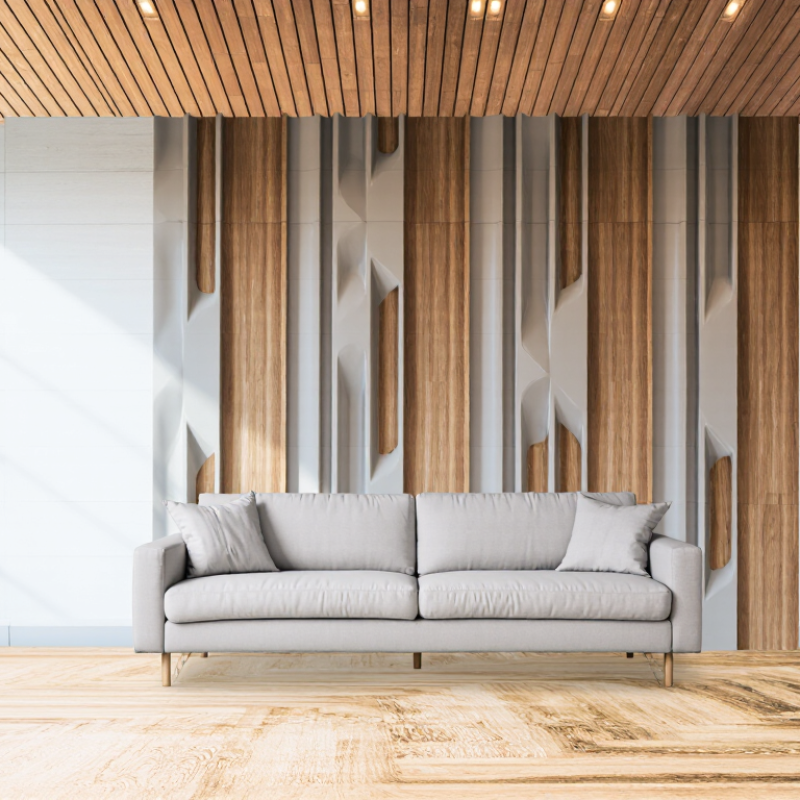
A 3d Wpc Wall Panel combines wood fibers, polymer materials, and a molded surface pattern. It creates depth without the weight of traditional solid wood cladding. In a living room, its raised lines can catch daylight and form gentle shadows across the wall. This detail often makes a plain surface feel more architectural.
Manufacturers usually design these panels for interior decoration, including feature walls, offices, hotels, and reception areas. Their moisture resistance can support use in humid rooms, but it should not be treated as unlimited waterproofing. Product quality varies between suppliers. Check the core composition, surface finish, dimensions, installation method, and available test reports before ordering. Professional installers also need to inspect the wall, allow suitable expansion gaps, and follow the supplier’s fixing instructions.
It is not a miracle material. Poor installation can create visible joints, uneven patterns, or unwanted movement. Some finishes may also scratch more easily than expected. These limitations deserve attention. Still, a well-made 3d Wpc Wall Panel offers a practical balance between visual impact, maintenance, and installation efficiency. Unlike painted walls, it provides texture immediately, without waiting for multiple decorative layers to dry. Unlike heavy stone, it is generally easier to handle and cut on site. The best choice depends on the room’s humidity, lighting, traffic level, and design purpose. With verified specifications and careful installation, this panel can become a durable design feature rather than a temporary trend.
Definition and Core Structure of 3D WPC Wall Panels
Definition and Core Structure of 3D WPC Wall Panels
A 3D WPC wall panel is a decorative composite board with a sculpted surface.
WPC means wood-plastic composite. Its core usually combines wood flour or fibers with a thermoplastic polymer, such as PVC, PE, or PP. Additives improve color stability, processing, and moisture resistance. The mixture is heated, blended, and shaped through extrusion or molding. A patterned roller then creates waves, flutes, ribs, or geometric reliefs.
The structure is more practical than it first appears. The polymer binds the wood particles, while the wood component adds texture and a warmer visual character. A dense backing supports the panel during installation. Some products include a hollow or ribbed interior, reducing weight without removing all rigidity. The surface may receive a film, coating, or embossed finish. Touch matters here. Cheap reliefs can feel sharp or visually repetitive.
Grand View Research reported that the global wood-plastic composites market reached about
USD 7.1 billion in 2023,
with projected growth near
7.2% annually from 2024 to 2030.
Market figures vary because researchers classify decking, automotive parts, and wall products differently. That deserves attention. A large WPC market does not equal a large 3D wall-panel market.
In practice, buyers should inspect panel density, thickness, water absorption, fire performance, and installation tolerances. A beautiful pattern cannot correct a weak core.
Key Materials and Manufacturing Process
What Is 3D WPC Wall Panel and Why Choose It?
Key Materials and Manufacturing Process
A 3D WPC wall panel combines wood fiber or wood flour with a thermoplastic polymer. Common polymers include polyethylene, polypropylene, or polyvinyl chloride. The wood content creates a warm, textured appearance. The polymer improves moisture resistance and processing stability.
Additives may include pigments, coupling agents, stabilizers, and small amounts of processing aids. Each ingredient affects the final panel. Too much wood can increase water absorption. Too much polymer may reduce the natural visual depth. This balance requires careful formulation and consistent testing.
The manufacturing process usually begins with drying and screening the wood material. Manufacturers then blend it with the polymer and additives under controlled heat. The mixture passes through an extruder, which forms a continuous profile. Embossing rollers create grooves, waves, or geometric 3D patterns. Cooling sets the shape. Cutting and edge finishing follow.
Quality checks should measure dimensions, surface uniformity, impact resistance, and moisture behavior. I have found that small texture differences can become obvious under side lighting. Installation also matters. An uneven wall may exaggerate shadows across the pattern. Expansion gaps should be planned because temperature changes can move the panel slightly.
The material is practical, but not flawless. Color variation may appear between production batches. Deep patterns can collect dust. A sample installation often reveals problems that product images hide.
Main Features and Functional Benefits
A 3D WPC wall panel combines wood fibers and polymer resin in a molded, textured surface. Its raised ridges create shadow lines, making a flat wall feel deeper and more architectural. Unlike solid timber, its composite structure resists routine moisture, insects, and everyday surface wear. Still, it is not waterproof in every situation. That distinction matters.
In practical interiors, panels can soften echo, conceal uneven backgrounds, and add visual warmth without heavy masonry work. Their lightweight format also makes transport and handling easier than many traditional wall finishes. Installers often achieve cleaner results when they check wall levels before cutting. Panel performance depends on ventilation, joint quality, and local humidity. One weakness is visible dust on deep textures. Regular cleaning is necessary, especially in busy rooms.
Tips:
Leave the panels indoors for acclimation before installation. Measure twice, and keep expansion gaps near corners and edges. Use suitable fasteners for the wall type, rather than relying on adhesive alone. A small sample can reveal color changes under warm or cool lighting. Do not ignore the substrate; uneven surfaces may remain visible through the finished installation.
Installation, Maintenance, and Selection Considerations
3D WPC wall panels combine wood fibers and polymer materials to create textured interior surfaces. Their raised patterns can add depth to bedrooms, offices, restaurants, and reception areas. Installation quality strongly affects the final appearance. A practical installation begins with a dry, clean, and reasonably level wall. Measure each section carefully, then allow expansion gaps near floors, ceilings, and corners. Panels can be fixed over battens or a suitable substrate, depending on wall conditions. Uneven walls need correction before fitting. Otherwise, shadows may exaggerate small gaps.
Use appropriate cutting tools and protect the visible surface during installation. Plan electrical outlets, lighting, and corner joints before applying adhesive or fasteners. Dry fitting helps reveal alignment problems early. It takes extra time. That time is usually worthwhile. However, installation guidance can vary by panel structure, so professional advice should replace guesswork when the wall is damp, unstable, or heavily loaded.
Maintenance is simple but not careless. Remove dust with a soft brush or vacuum attachment, then wipe the surface with a slightly damp cloth. Avoid abrasive pads, strong solvents, and excessive water, especially around joints. Inspect seams twice a year for movement, staining, or loose sections. Selection also deserves attention. Compare panel thickness, fire-performance documentation, moisture resistance, texture depth, color consistency, and available accessories. A dramatic pattern may look impressive in a showroom but overwhelming across a small room. Lighting changes everything. Request samples and view them under the room’s actual lighting before ordering. Even careful planning can miss this detail.
What Is 3D WPC Wall Panel and Why Choose It?
3D WPC wall panels combine wood fiber with thermoplastic material to create a textured decorative surface. Their practical advantages depend on correct installation, regular cleaning, moisture control, and selecting the right thickness and surface finish for the room.
Maintenance guide: Dust the surface weekly, wipe it with a soft damp cloth when needed, inspect joints and edges every three months, and perform a deeper clean at least twice a year. Avoid abrasive tools, standing water, and harsh solvents.