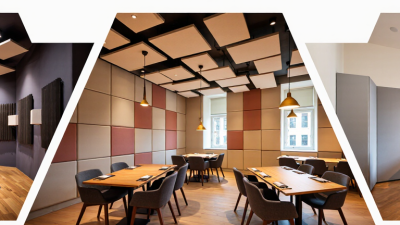
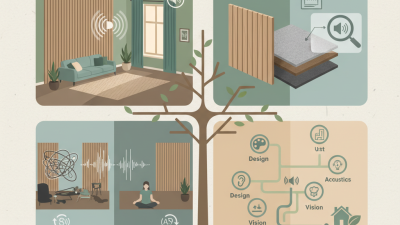
What Are the Best Acoustic Wall Panels for Offices?
Choosing the right Acoustic Wall Panels can transform an office from a noisy workspace into a calmer, more focused environment. Conversations, keyboard clicks, phone calls, and meeting-room echoes often compete throughout the day. The best solution depends on the room’s size, surfaces, occupancy, and daily activities. A panel that works beautifully in a private office may perform poorly in an open-plan area.
This guide examines the materials, designs, acoustic ratings, and installation methods that matter most. Fabric-wrapped panels can absorb speech clearly while adding color and texture. PET felt panels offer lightweight construction and flexible shapes. Wood slat systems can provide a warmer appearance, though their acoustic performance depends on the backing layer and spacing. Ceiling height, wall coverage, and panel thickness also deserve attention. Small details matter.
Real-world experience suggests that appearance alone should never decide the purchase. It looks impressive.
Reliable selection begins with measurable evidence. Look for independent laboratory testing, published noise-reduction data, fire-safety information, and installation guidance. Product claims can vary between manufacturers, so comparisons should use consistent testing standards. Professional advice may also help when an office has hard floors, glass partitions, or unusually high reverberation. Even then, predictions are not perfect. Occupancy changes, furniture placement, and employee behavior can alter results. This article will help readers compare practical options, recognize limitations, and choose Acoustic Wall Panels that balance comfort, durability, visual appeal, and budget. The goal is not absolute silence. It is a more usable room, supported by thoughtful evidence rather than attractive marketing alone.

What Makes an Acoustic Wall Panel Suitable for Office Use
A suitable acoustic wall panel should control reflected sound, not merely decorate an office.
In meeting rooms, speech clarity matters more than complete silence. Look for laboratory-tested absorption data, including the Noise Reduction Coefficient or equivalent performance ratings. These figures help compare materials, but they do not tell the whole story. Panel thickness, surface coverage, wall position, and ceiling height also affect results.
Panel coverage matters.
A small decorative panel may soften echoes near one desk but leave the wider room uncomfortable. Experienced installers usually assess the room’s size, occupancy, furniture, and noise sources before recommending coverage.
Durability is equally important in busy offices.
Select panels with cleanable surfaces, stable edges, and low-emission adhesives. Check fire-performance documentation and installation requirements before purchase. Local building rules may require specific classifications.
Installation also matters.
Gaps, hard frames, or poorly fitted corners can reduce acoustic performance. In practice, panels behind meeting screens or near speech areas often provide noticeable improvement. However, placing every panel at ear level is not always effective. Sound may still travel through glass, ceilings, and open corridors.
One common mistake is choosing attractive fabric without verifying its test data.
I would also question vague claims such as “soundproof,” because wall panels usually absorb sound rather than block it. A reliable specification should state tested performance, maintenance needs, expected lifespan, and suitable room conditions.
Key Types of Acoustic Wall Panels for Different Office Environments
What Are the Best Acoustic Wall Panels for Offices?
Key Types of Acoustic Wall Panels for Different Office Environments
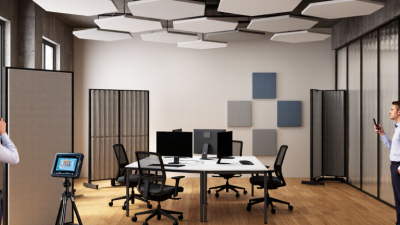
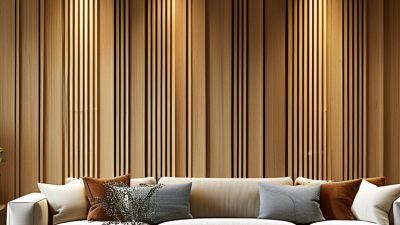
The best acoustic wall panel depends on the room’s noise pattern, surfaces, and daily use. In open-plan offices, PET felt panels absorb mid and high frequencies from voices, keyboards, and calls. They work well as movable screens or large wall fields. Slatted timber panels with acoustic backing add warmth and visible texture. They need careful detailing around corners and doors.
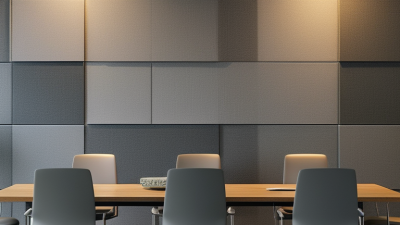
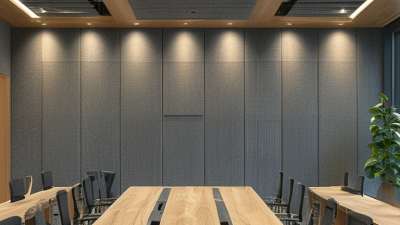
Meeting rooms usually need stronger absorption than open work areas. Fabric-wrapped fiberglass or mineral wool panels can reduce reverberation and improve speech clarity. Place them near the speaker’s reflection points, not only behind the display. In reception areas, colored or printed fabric panels can control echoes while supporting the interior design. Choose impact-resistant surfaces where bags, chairs, or cleaning carts may strike the wall.
Private offices benefit from balanced treatment on two or more walls. Too much absorption can make a room feel unnaturally dead. It happens. An experienced installer should review reverberation time, panel spacing, ceiling height, and background noise. Check published absorption data, fire classifications, cleanability, and mounting requirements before ordering. Site measurements are valuable, but they are not perfect. Occupancy changes the result. I would test one representative room first, then adjust panel coverage after staff feedback.
How to Compare Office Panel Materials, Designs, and Sound Ratings
Office acoustic panels should be compared by material, design, and tested sound performance. The best choice depends on the room’s size, surfaces, and daily use.
Recycled PET panels are lightweight and useful for walls, ceilings, and suspended shapes. They resist dents reasonably well and offer flexible color options. Fabric-wrapped panels can absorb speech clearly, while mineral-fiber panels often provide stronger absorption across wider frequencies. Wood-faced panels add warmth, but their perforations and backing determine whether they absorb or reflect sound. A beautiful surface cannot fix poor construction.
Numbers need context. Check the Noise Reduction Coefficient, or NRC, for general absorption. Higher NRC values usually reduce reflected speech, but they do not guarantee privacy between rooms. Sound Transmission Class, or STC, relates more closely to airborne sound passing through partitions. Ask for independent laboratory reports, frequency details, fire data, and installation requirements. Ratings from different test methods should not be compared casually.
Design also affects performance.
Large, continuous coverage usually works better than a few decorative squares. Place panels near conversation zones and opposite hard surfaces, especially glass and concrete. In office assessments, I have seen attractive panels underperform because gaps were too wide. I have also seen dense panels installed without enough coverage. The specification looked impressive. The room still sounded harsh. Leave access points. Consider cleaning, future relocation, and damaged edges before approving the final layout. A small mock-up can reveal problems that drawings miss.
Where to Install Acoustic Wall Panels for Maximum Noise Control
What Are the Best Acoustic Wall Panels for Offices?
Where to Install Acoustic Wall Panels for Maximum Noise Control
Panel location matters more than decoration. The 2023 Leesman Index, based on over 1.2 million workplace responses, identifies quiet individual work as a major office need. Yet many teams install panels on the most visible wall. That is often the wrong wall.
Place panels beside conversation zones first. Side walls near meeting tables absorb speech before it travels across the room. Add panels behind speakers, especially in video-call rooms. This reduces reflected sound behind the microphone and improves voice clarity.
In open offices, treat the wall opposite busy desks. It can return keyboard noise, laughter, and phone calls across the workspace. Ceiling clouds also help when walls are already crowded.
Panels work best when they cover early reflection points. The first reflection point is where sound reaches a wall after leaving the speaker. A simple mirror test can locate it. The U.S. General Services Administration’s Sound Matters guidance also stresses balanced absorption, not random coverage. I have seen offices cover one feature wall and still struggle with noise. Panels are not magic. Hard ceilings, glass, and uncovered corners can defeat a good layout.
Tips:
Use panels with a Noise Reduction Coefficient near 0.80 or higher for speech-heavy areas. Leave some distance from the wall when possible. Test one noisy zone before treating the entire office. Measure again after installation, because assumptions can be surprisingly wrong.
How to Choose the Best Acoustic Wall Panels for Your Office Needs
What Are the Best Acoustic Wall Panels for Offices?
How to Choose the Best Acoustic Wall Panels for Your Office Needs
Choosing office acoustic wall panels starts with the problem, not the appearance. Measure reverberation, speech clarity, and background noise before buying. The World Green Building Council reports that improved indoor environmental quality can raise productivity by up to 11%. That figure is persuasive, but it does not mean every panel delivers the same result. Open-plan offices usually need high sound absorption, while meeting rooms may need better speech privacy.
Check the panel’s tested Noise Reduction Coefficient under ASTM C423 or ISO 354. A thicker panel often absorbs lower frequencies more effectively. Fabric-wrapped panels can work well beside desks, where voices and keyboard noise reflect from hard walls. Install them near conversation zones, not randomly above unused corners. Ceiling treatment may be necessary when glass, concrete, and exposed ceilings dominate the room. I would also verify fire performance, cleanability, mounting strength, and recycled content. These details are easy to overlook.
ASHRAE guidance supports controlling reverberation and maintaining suitable background sound levels for office work. However, acoustic panels mainly reduce reflected sound; they cannot completely block a nearby colleague’s voice. That distinction matters. Start with a small tested area, then compare recordings and employee feedback. Results may feel uneven. That is useful evidence, not failure. A quieter office can still feel uncomfortable if it becomes unnaturally silent.
What Are the Best Acoustic Wall Panels for Offices?
Comparing representative Noise Reduction Coefficient (NRC) values to help choose acoustic wall panels for office spaces.
NRC values range from 0 to 1, with higher values indicating greater absorption of speech and office noise. Fabric-wrapped fiberglass panels typically provide the strongest absorption, while PET felt and decorative wood panels can offer a balance between acoustic performance and design flexibility. Actual performance depends on thickness, air gaps, mounting method, and room conditions.